

 英语
 西班牙语
An Aluminum Outdoor Recliner is carried as often as it is sat in, so its frame has to be light enough for one hand and strong enough for a body dropping into it. Those two demands pull in opposite directions, and the way a maker balances them shows up in the tubes, the joints and the fabric long before it shows up on a label.
The Load Is Bigger Than the Number on the Label
Sitting down adds force
A chair rated for a given weight is tested with a steady load, but people do not sit gently. Dropping into a seat puts a short burst of force on the frame that is larger than body weight alone. A folding frame has to take that burst hundreds of times, which is why a recliner that feels fine in a shop can begin to creak after a season of camp use.
Reclining moves the stress
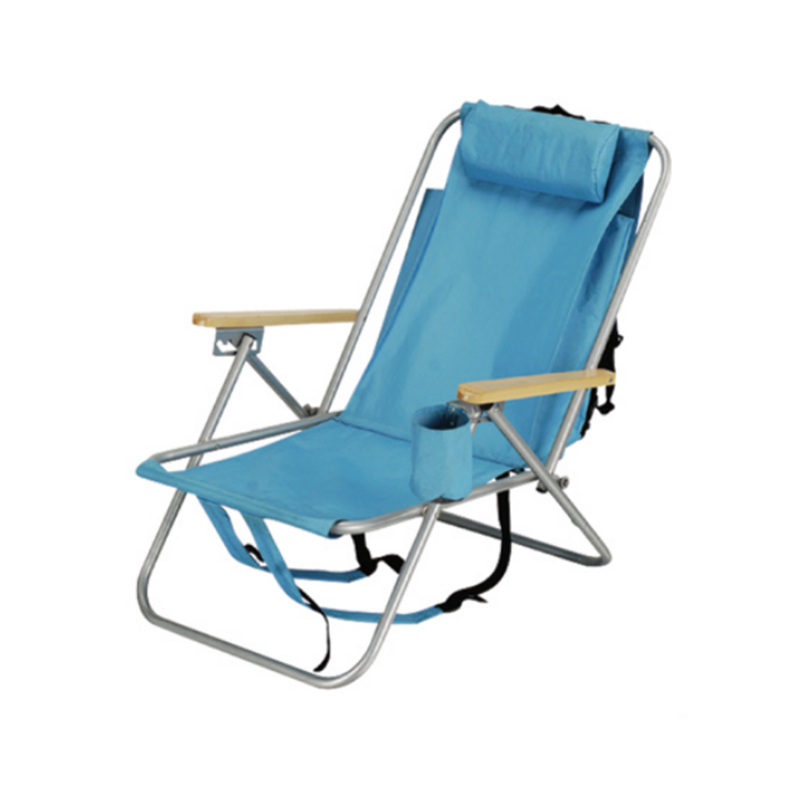
When the back tilts, the load shifts toward the pivots and the joints where the backrest meets the seat. These spots carry more strain than the long straight tubes. An Aluminum Outdoor Recliner with strong tubes and weak joints still fails at the joint, so experienced buyers look at the pivots before they look at anything else.
Why Aluminum Suits Folding Frames
Light and resistant to rust
Aluminum weighs much less than steel and does not rust, so an Aluminum Outdoor Recliner copes with damp grass, wet sand and the boot of a car after rain. A lighter frame also makes a chair easier to carry from the car to the campsite, a point that matters when it is one item among tents, bags and coolers.
Tube size and wall thickness
Two chairs can use the same tube diameter and still feel very different, because wall thickness changes stiffness. A thin wall saves weight but flexes under load, and over time it can bend or dent. A thicker wall adds a little weight and a lot of confidence. For an outdoor aluminum recliner, diameter and wall thickness should be read together, not separately.
Where Folding Chairs Wear Out
Joints, rivets and pivots
Every moving part wears. Rivet holes slowly widen, pivots loosen and a once-tight chair begins to wobble. Buyers test this by opening and closing a sample many times, then checking for play at each joint. An aluminum recliner chair whose frame stays tight after repeated folding has been put together with care.
Fabric and stitching
A strong frame still needs a good seat, and an Aluminum Outdoor Recliner is only as good as its fabric. Heavy polyester fabric, such as 600D, is a common choice for camping chairs because it resists abrasion and dries quickly. The stitching where the fabric meets the frame carries the whole load, so double stitching and reinforced corners are worth checking. Sun fades color over time, which is a smaller issue than a seam that splits.
Frame Materials at a Glance
|
Material |
Weight |
Rust |
Main trade-off |
|
Aluminum |
Light |
Resists rust |
Thin walls can bend |
|
Coated steel |
Heavier |
Needs coating intact |
Strong, but heavy to carry |
Each material has its place. Steel suits heavy-duty chairs that stay near the car, while an Aluminum Outdoor Recliner suits users who carry the chair any distance.
Packing and Shipping Matter Too
A folding recliner packs flat, and flat packing cuts freight space. Importers and retailers pay attention to how many chairs fit in a carton and how the cartons stack, because shipping cost per chair shapes the final shelf price. A well-folded Aluminum Outdoor Recliner that packs neatly saves money at every step between the factory and the customer.
Carry Test, Sit Test
Two simple checks reveal much of a recliner's character. Lift it with one hand and walk a few steps, then unfold it, sit down firmly, recline and shift weight from side to side. A chair that feels light when carried and steady when used has struck the right balance. When both tests pass, an Aluminum Outdoor Recliner is ready for the campsite, the beach or the back garden.