

 英语
英语 西班牙语
西班牙语A beach chair remains one of the commonly used items for seaside activities, and recent design updates have focused on improving portability, material durability, and user comfort. Manufacturers have introduced several modifications to the traditional beach chair, responding to feedback from regular users who require lightweight yet sturdy seating options. The typical beach chair now includes features that address issues such as sand accumulation, heat retention, and long-term exposure to saltwater. These incremental changes, while not revolutionary, have made the modern beach chair more practical for a full day of outdoor use.
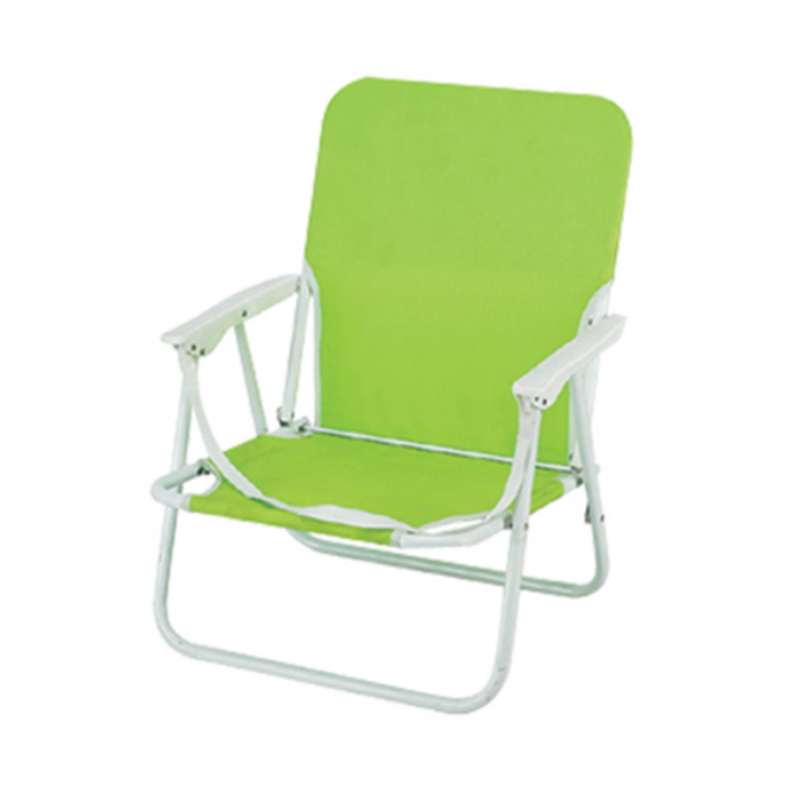
The frame of a contemporary beach chair is usually made of aluminum or coated steel. Aluminum models weigh less, often between 1.5 and 2.5 kilograms, making them easier to carry across sandy surfaces. Steel frames, while heavier, offer greater structural stability for users who prefer a firmer seating position. Many beach chair frames receive a powder-coated finish, which reduces the risk of rust formation when the chair is exposed to moisture. Some lower-priced versions use basic painted steel, though these require more frequent rinsing after use. The choice of frame material directly affects the overall lifespan of a beach chair, with aluminum models generally lasting several seasons under normal conditions.
Seat fabric is another critical component of any beach chair. Polyester and mesh are the two common materials. Mesh fabric allows water and sand to pass through, preventing puddles from forming on the seat surface. This feature is particularly useful when users exit the water and sit down while still wet. Polyester fabric, on the other hand, dries quickly but may retain small sand particles in its weave. beach chair seats are treated with UV-resistant coatings to slow down fading and material breakdown caused by sunlight. Without such treatment, a beach chair left outdoors for a full summer may show visible wear within two months.
Adjustability is a standard feature in the beach chair category. models offer between two and five reclining positions, ranging from an upright angle of about 90 degrees to a near-flat angle of 150 degrees or more. The adjustment mechanism typically involves sliding plastic brackets or pulling fabric straps. Higher-end versions use locking metal hinges, which provide more secure positioning on uneven ground. A beach chair with multiple backrest angles allows users to switch between reading, resting, and sleeping postures without moving to a different seat. Armrests, when included, are often made of wood or hard plastic, materials that stay cooler than metal under direct sunlight.
Maintenance of a beach chair requires small effort but regular attention. Rinsing the frame and fabric with fresh water after each trip removes salt and sand particles that could cause abrasion or corrosion. Allowing the beach chair to dry completely before folding prevents mildew growth on fabric surfaces. Checking the rivets and hinge joints once every few weeks helps identify loose connections early. With proper care, a well-constructed beach chair can remain functional for three to five years of seasonal use. The beach chair continues to serve its basic purpose effectively, offering a raised, comfortable seating position that keeps users away from hot sand and wet ground.