

 英语
英语 西班牙语
西班牙语Two outdoor chairs can look nearly identical in a product photo and still ship at very different container counts, and that gap traces directly back to frame material and folding geometry rather than anything visible in a marketing image. A lightweight folding outdoor chair earns that description through specific construction choices, and buyers sourcing for export should understand which of those choices actually reduce weight without compromising how the chair holds up under repeated outdoor use. Comparing suppliers on a single weight figure alone, without understanding which components contributed to that number, often leaves buyers unable to explain why two similarly-weighted chairs from different factories feel noticeably different once assembled.
Why Frame Material Drives Both Weight and Cost
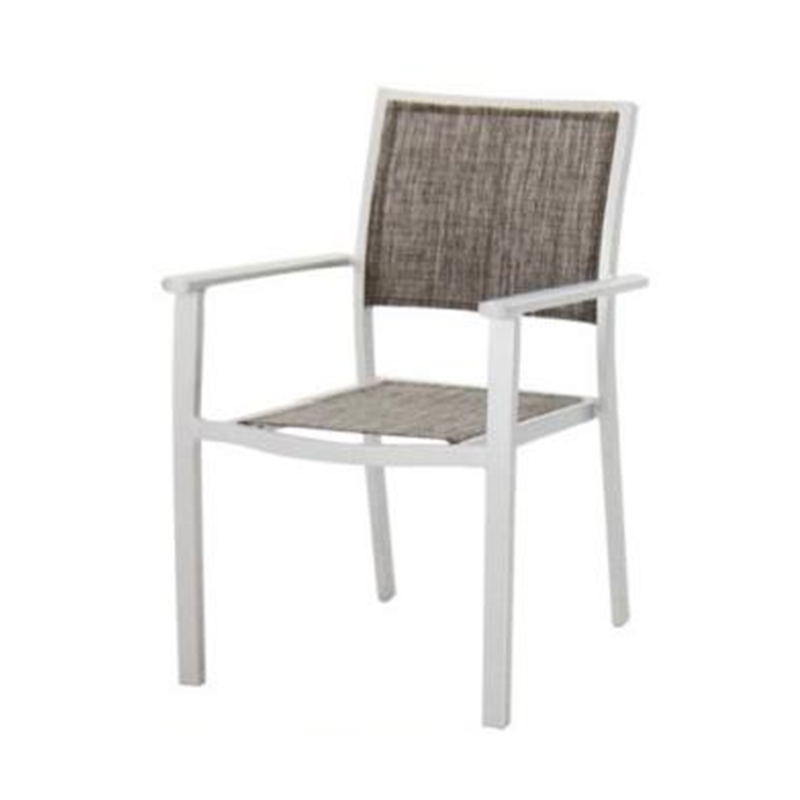
Frame material is the single biggest factor separating a genuinely light lightweight folding outdoor chair from one that merely looks compact. Aluminum frames reduce overall weight meaningfully compared to steel while resisting corrosion better in outdoor and coastal conditions, which is why aluminum has become the default choice for buyers prioritizing shipping weight and long-term durability together. Steel frames remain cheaper to produce and can offer higher load tolerance at a given tube diameter, which matters for buyers targeting markets where chair weight is less of a purchasing factor than price point. Buyers should request wall thickness specifications alongside the frame material claim, since a thin-walled steel tube and a properly engineered aluminum tube can end up close in weight despite the material difference suggesting otherwise.
How Folding Mechanism Design Affects Daily Use
A folding mechanism built into a lightweight folding outdoor chair needs to balance two competing goals: folding down small enough for compact storage and transport, while still locking securely enough that the chair does not collapse unexpectedly under a seated user's weight. Hinge quality at the fold points matters more than buyers often anticipate, since a mechanism that develops play or looseness after repeated folding cycles undermines both the safety and the perceived quality of an otherwise well-built chair. Buyers should ask suppliers for cycle-testing data on the folding mechanism specifically, since this component experiences more repeated mechanical stress over a chair's lifespan than almost any other part.
Fabric Weight and Its Effect on Total Chair Weight
Seat and back fabric contributes more to total chair weight than buyers evaluating frame specifications alone might expect, particularly on chairs using thicker mesh or textilene weaves for durability. A lightweight folding outdoor chair built for genuine weight reduction typically pairs a light frame with a correspondingly lightweight but still tear-resistant fabric, since pairing an aluminum frame with heavy-duty fabric only partially achieves the weight savings buyers are sourcing for to begin with. Confirming fabric weight in grams per square meter, rather than relying on a general "durable" or "heavy-duty" description, gives buyers a comparable figure across different suppliers.
Comparing Frame and Fabric Combinations
|
Configuration |
Approximate Weight Class |
Suited For |
|
Aluminum frame, lightweight mesh |
Lightest |
Frequent transport, camping, travel retail |
|
Aluminum frame, heavy textilene |
Moderate |
Durability-focused outdoor retail |
|
Steel frame, lightweight mesh |
Moderate |
Budget-conscious markets, less frequent moving |
|
Steel frame, heavy textilene |
Heaviest |
Fixed outdoor placement, maximum durability |
Container Loading Efficiency and Why It Matters to Buyers
Container loading efficiency is where the folding design of a lightweight folding outdoor chair translates directly into shipping economics, since a chair that folds flat and compact allows significantly more units per container than a fixed or bulky-folding design. A model rated for roughly 660 pieces per 40-foot high-cube container, for example, gives buyers a concrete figure to compare against alternative chair designs when calculating landed cost per unit. Buyers should request this per-container figure directly from suppliers rather than estimating it from folded dimensions alone, since packaging method and nesting efficiency between units also affect the final count that fits in a given container. A supplier able to demonstrate this figure through an actual loading plan or photo documentation, rather than a stated estimate, gives buyers more confidence in the number before it becomes part of a shipping cost calculation.
Matching Chair Specifications to Target Market Requirements
Buyers sourcing a lightweight folding outdoor chair for different retail channels should weigh weight, durability, and container efficiency according to how the end customer will actually use the product, since a chair optimized purely for minimum weight may sacrifice the load durability a rental or hospitality buyer needs for frequent daily use. Clarifying the primary use case with a supplier before finalizing frame and fabric specifications helps avoid receiving a chair that hits a weight target on paper but underperforms once it reaches the conditions it was actually purchased for.