

 英语
英语 西班牙语
西班牙语Outdoor furniture has become a growing priority for homeowners and renters alike, as new lifestyle data shows that people are investing more time and money into their patios, balconies, and small city gardens than just a few years ago. What was once an afterthought—a few plastic chairs or a folding metal table—is now being selected with the same care reserved for indoor sofas and dining sets.
The shift began as daily routines changed, keeping more people at home for longer periods. Unable to eat out or travel as often, many turned to their own outdoor spaces for meals, remote work, and relaxation.
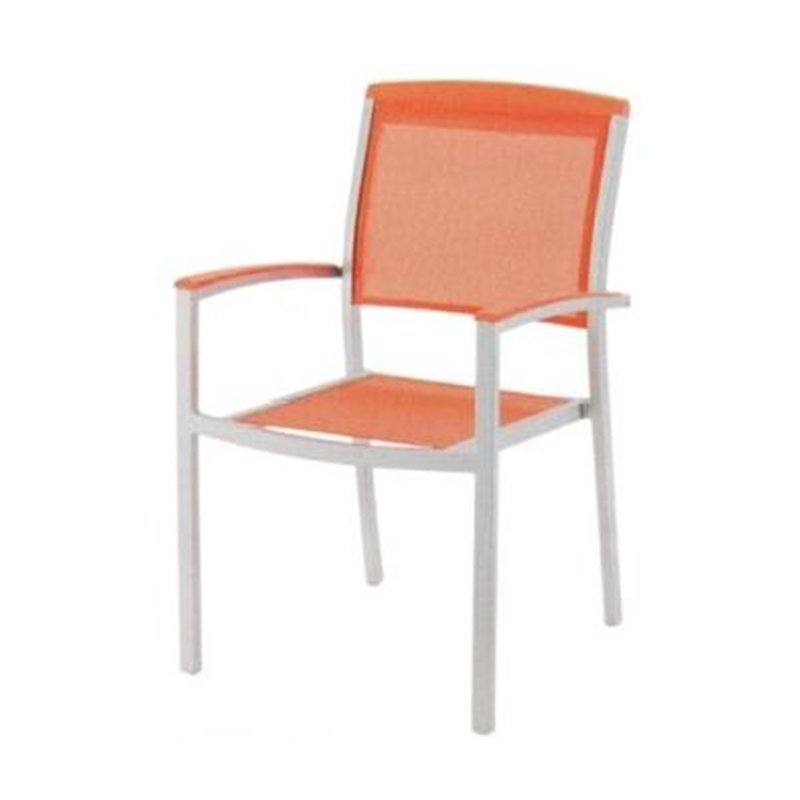
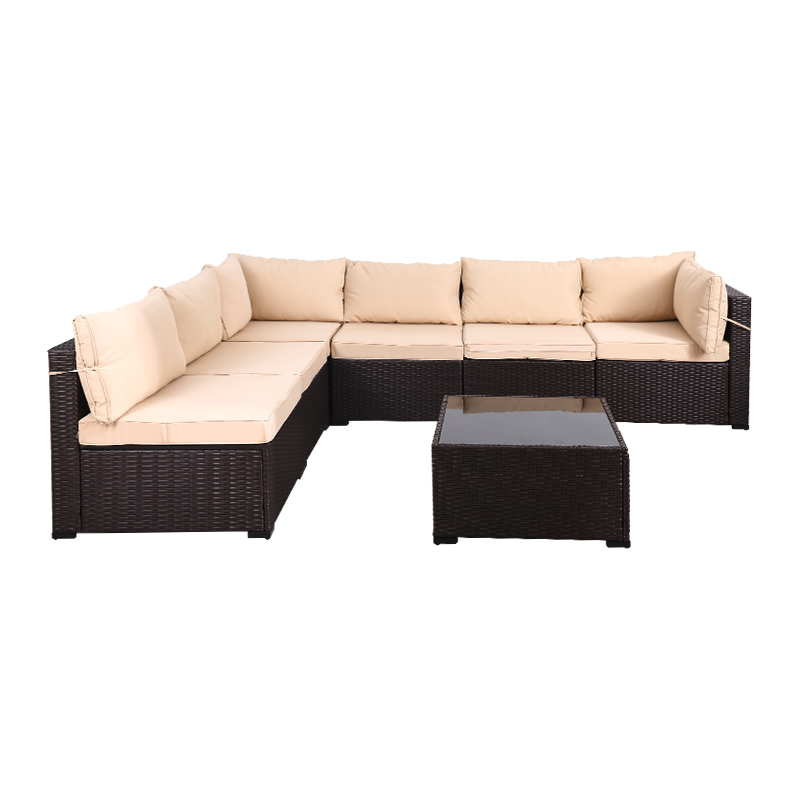
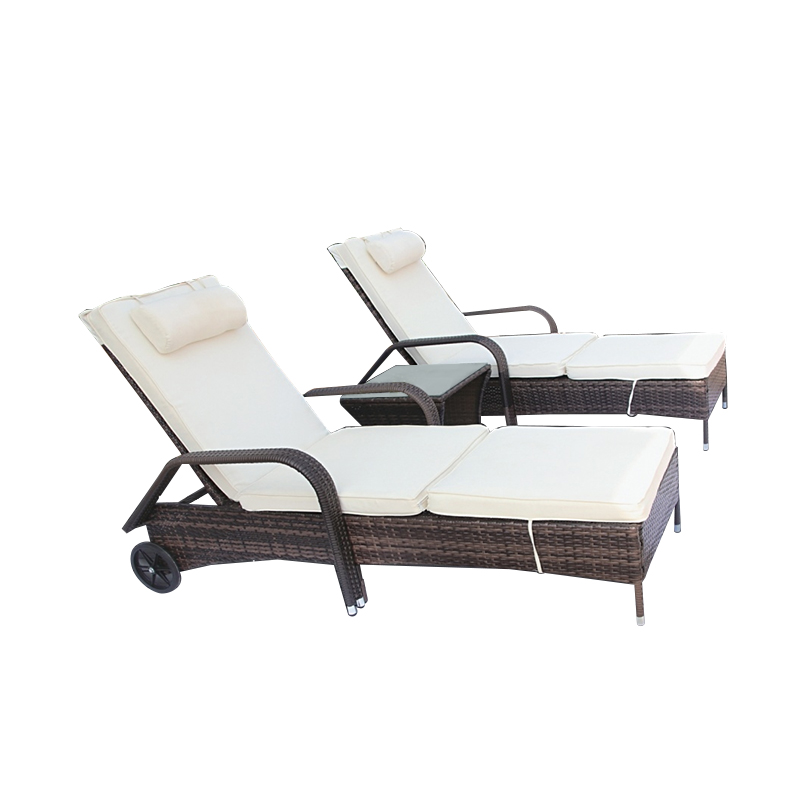
Durability remains a key concern for buyers. Shoppers frequently ask about materials such as treated wood, powder-coated metal, and synthetic wicker. Each option has trade-offs. Wood needs occasional oiling but develops a rich color over time. Metal resists rust when properly coated but can become warm in direct sunlight. Wicker is lightweight and stylish but may fade after several seasons. No single material works superbly for every climate, so buyers are learning to match their choice to local weather patterns—humid, dry, coastal, or cold.
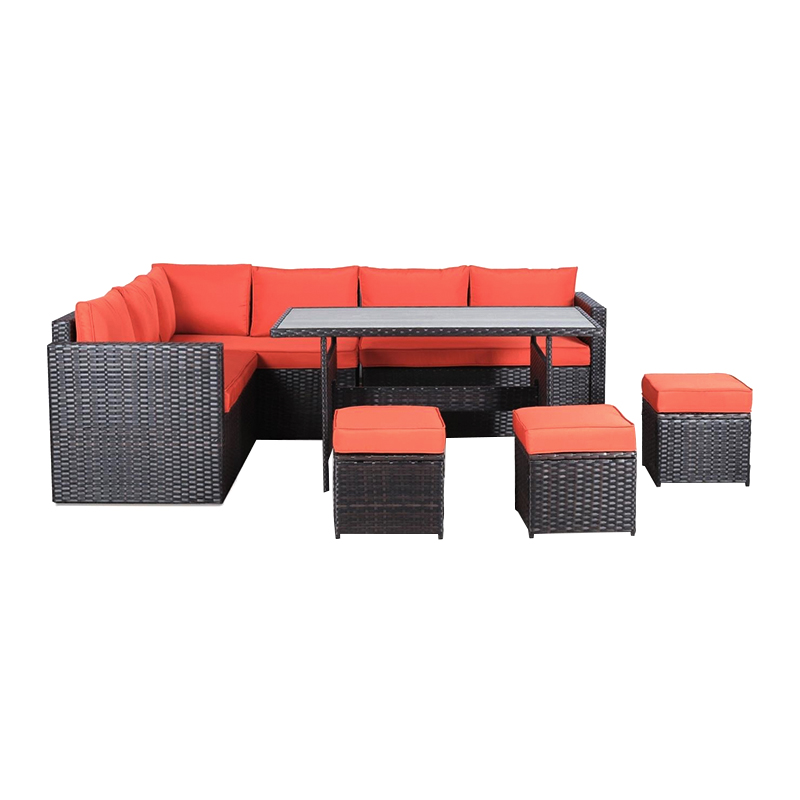
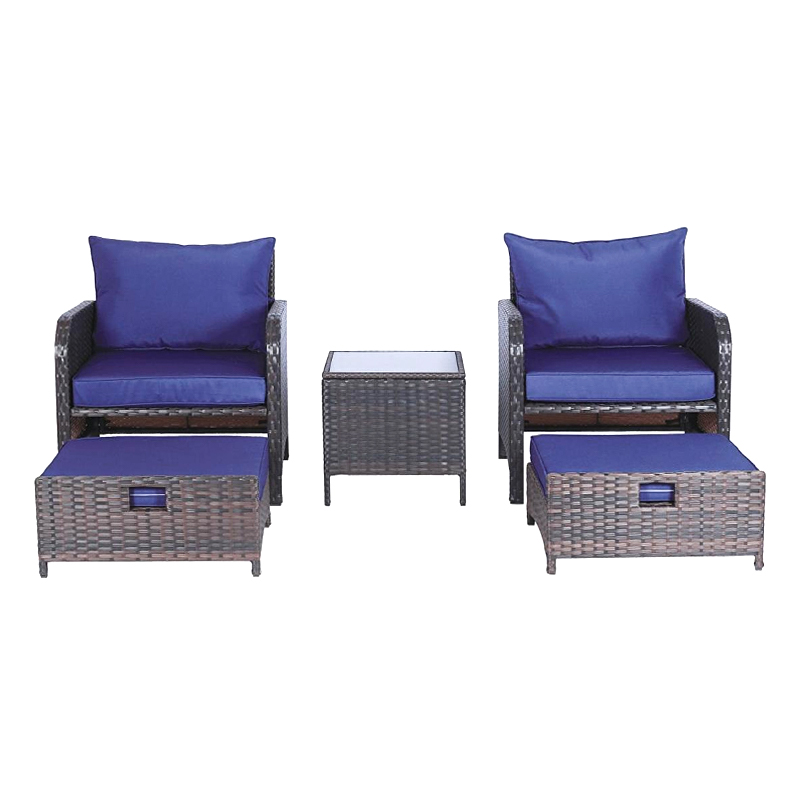
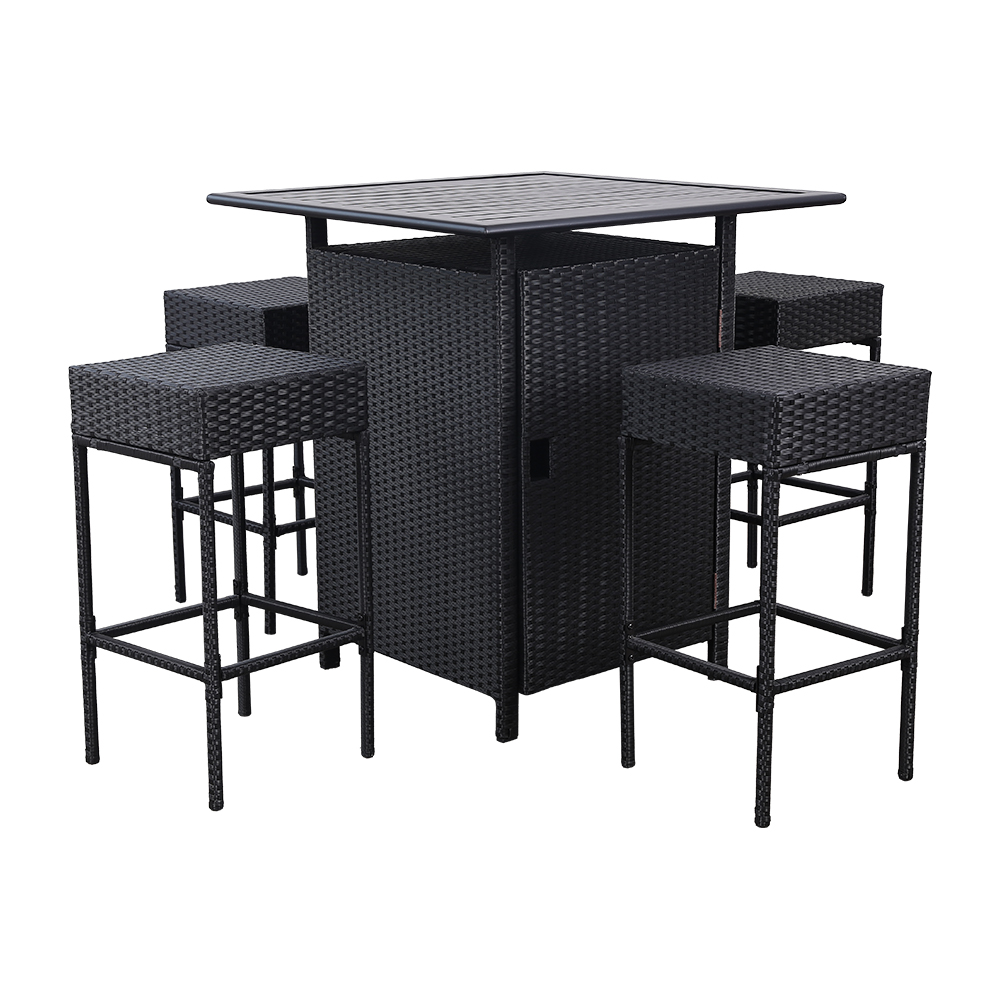
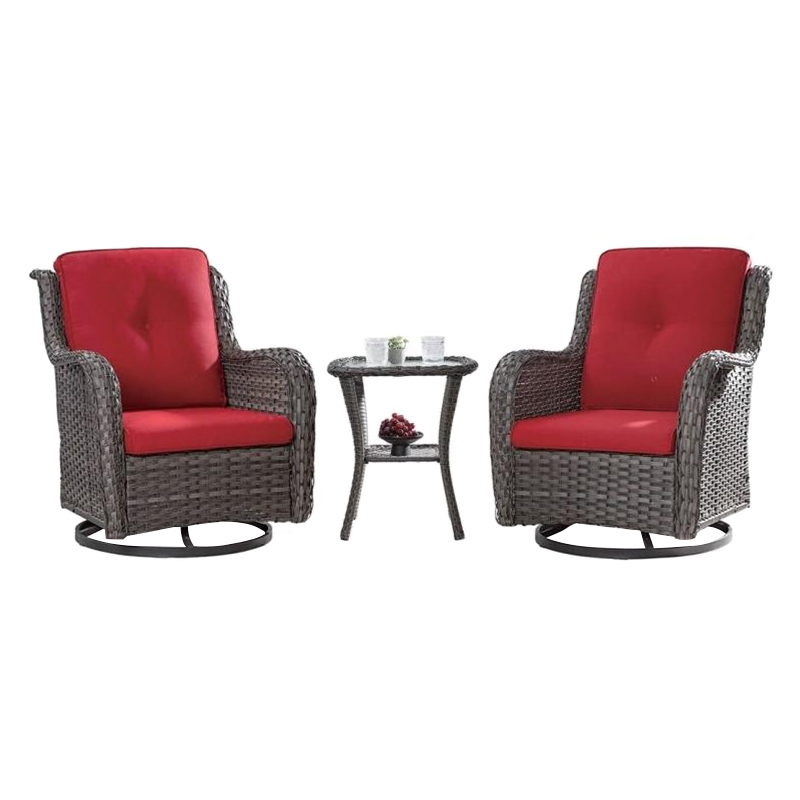
Price ranges vary widely. A simple bistro set for a small balcony may cost the same as a few restaurant meals. A larger setup with deep cushions and a dining table for a family deck can cost significantly more. However, mid-range options have expanded considerably in recent years, making outdoor furniture accessible to renters and first-time homeowners. Many home goods stores now offer pieces with clean lines and neutral colors that do not go out of style quickly.
Maintenance habits have also changed. In the past, many people left outdoor furniture outside all year and simply replaced it when pieces looked worn or broke. Today, more owners clean their furniture at the start of each season, store cushions during heavy rain or winter months, and tighten loose screws as needed. Some even repair a broken wicker strand or replace a faded cushion cover instead of buying an entirely new set. These small efforts can add several years to the life of a piece.
Challenges remain. Outdoor furniture takes up storage space during off-seasons, which is difficult for apartment dwellers with limited closets or basements. Heavy pieces can be hard to move, especially for older adults or those living alone. Fabric cushions, even those labeled weather-resistant, may develop spots or odors if left damp for too long. Still, many buyers find that the benefits of a comfortable outdoor space outweigh the extra care required.
Rental property managers have taken notice as well. Listings that show a well-furnished patio or rooftop deck often attract more interest than those with empty outdoor space. A clean, comfortable set of outdoor furniture suggests that a property is well cared for. Some managers have replaced older plastic chairs with sturdier options after receiving feedback from guests and tenants.
The growing priority placed on outdoor furniture reflects a recognition that well-designed exterior spaces improve daily living. Homeowners continue to select outdoor furniture that balances aesthetics, durability, and comfort for years of reliable use.