

 英语
英语 西班牙语
西班牙语The global pet care industry is experiencing sustained and multifaceted growth, a trend that places the pet supplier at a critical juncture in the supply chain. No longer merely a distributor of basic food and accessories, the contemporary pet supplier has evolved into a strategic partner for retailers, service providers, and sometimes directly for consumers. This evolution is driven by the increasing complexity of pet ownership, where demands extend beyond nutrition to encompass health, wellness, lifestyle integration, and sustainability. The modern pet supplier must therefore demonstrate agility, a deep understanding of market trends, and the capability to source and deliver a diverse portfolio of products that meet these elevated expectations, solidifying its role as an indispensable link between manufacturers and the end-user.
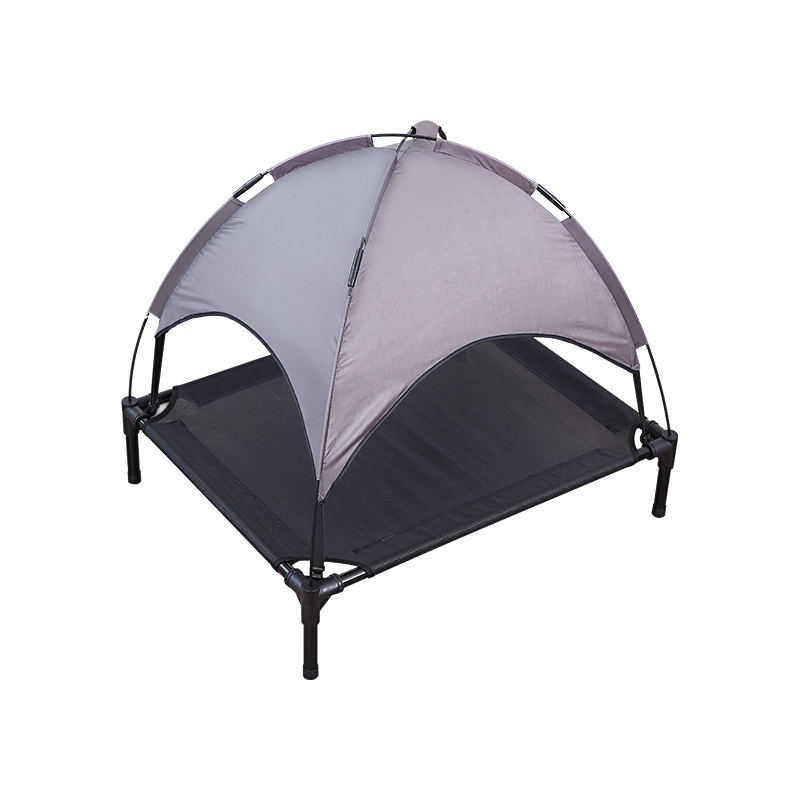
The primary function of a pet supplier remains the aggregation and distribution of goods, but the scope of these goods has expanded dramatically. A comprehensive pet supplier today manages a vast inventory that includes premium and specialized nutrition (such as grain-free, raw, or prescription diets), advanced healthcare products (like supplements, dental care items, and grooming solutions), high-tech accessories (GPS trackers, automated feeders), fashionable apparel, durable toys, and innovative habitat furniture. This requires sophisticated logistics, inventory management systems, and quality control protocols to ensure products are stored and transported safely, efficiently, and in compliance with relevant regulations. The ability of a pet supplier to reliably fulfill orders for a wide array of items is foundational to the operational success of pet stores, veterinary clinics, and grooming salons.
Beyond logistics, a forward-thinking pet supplier now acts as a vital source of market intelligence and trend curation. With direct visibility into purchasing patterns across numerous retail outlets, a successful pet supplier is positioned to identify emerging trends—such as the rising demand for eco-friendly products, insect-protein foods, or anxiety-relief items for pets—and proactively adjust their inventory. They play a key role in educating their retail partners about new products, providing marketing materials, and helping to forecast which items will resonate with consumers. This advisory and supportive function transforms the pet supplier from a passive middleman into an active participant in shaping retail strategy and consumer choice, adding significant value to their business relationships.
The relationship between a pet supplier and the digital marketplace is another area of significant evolution. While many suppliers operate on a traditional B2B (business-to-business) model, some are also developing direct-to-consumer channels or hybrid models to serve a changing retail landscape. A modern pet supplier must maintain a robust digital presence, offering online ordering platforms, real-time inventory tracking for clients, and seamless integration with retailers' own e-commerce systems.
The role of the pet supplier will be further defined by demands for sustainability, supply chain transparency, and specialization. There will be increased pressure on the pet supplier to offer products with verifiably ethical and sustainable sourcing, with clear information on ingredient origins and environmental impact. Supply chain resilience, highlighted by recent global disruptions, will remain a top priority, encouraging suppliers to diversify their sources and strengthen inventory buffers. As the pet industry continues its upward trajectory, the pet supplier that successfully combines operational excellence, market insight, and adaptive partnerships will be crucial in connecting innovative products with the growing number of households seeking the ideal for their animal companions.