

 英语
英语 西班牙语
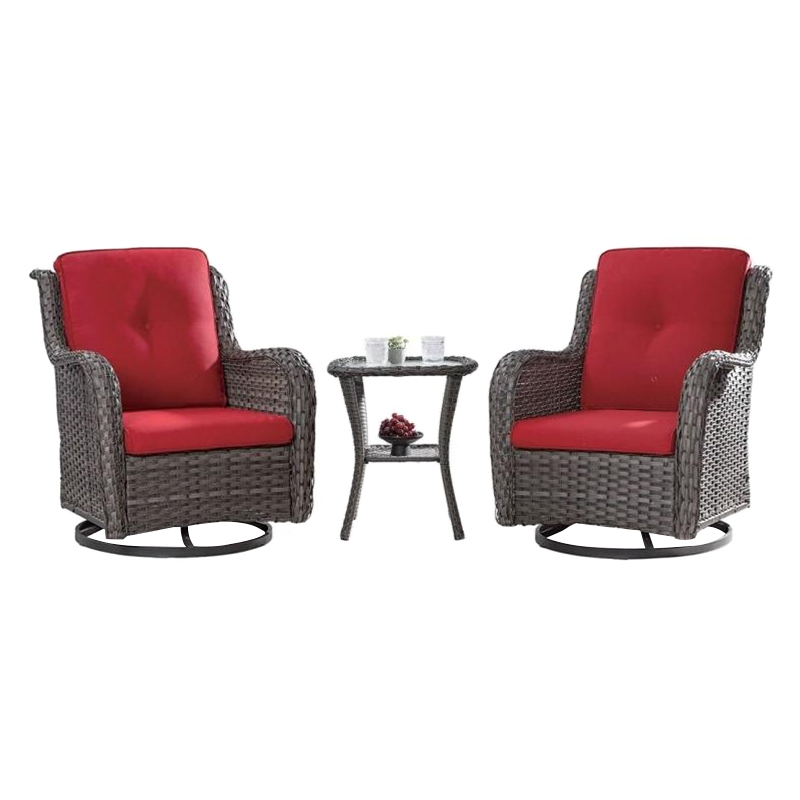
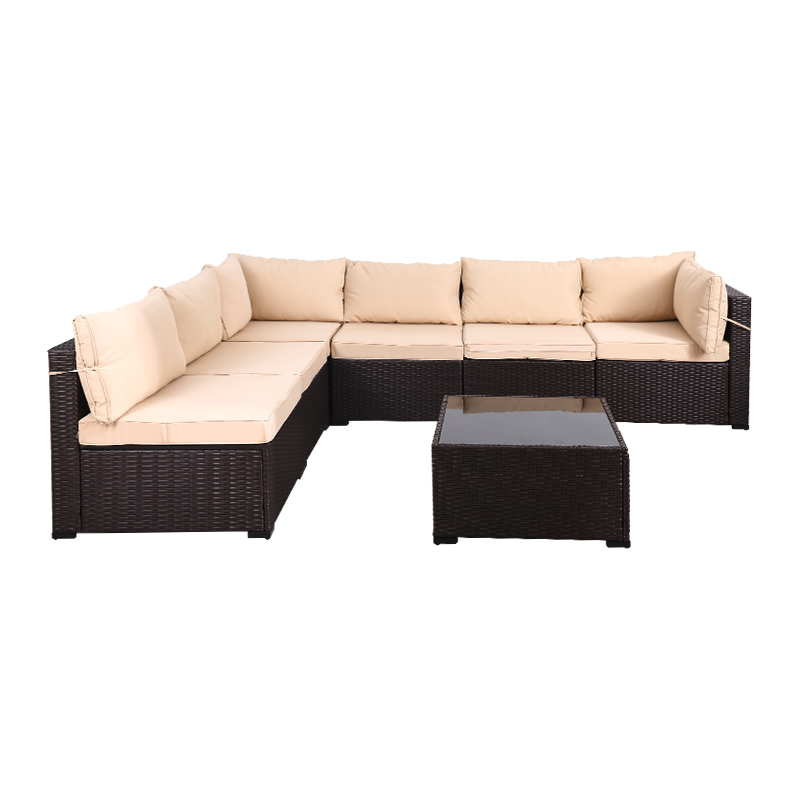
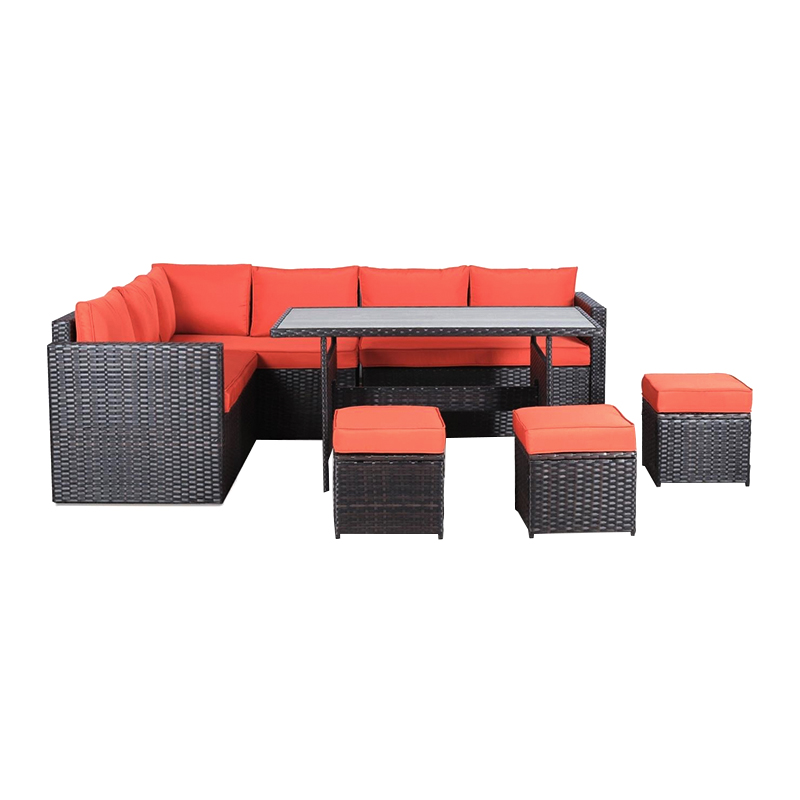
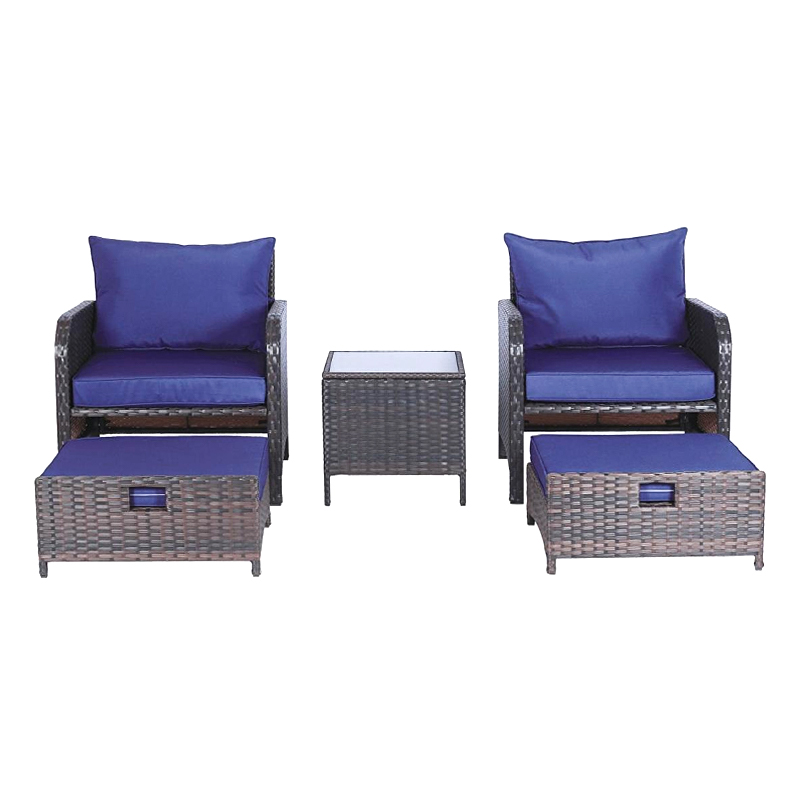
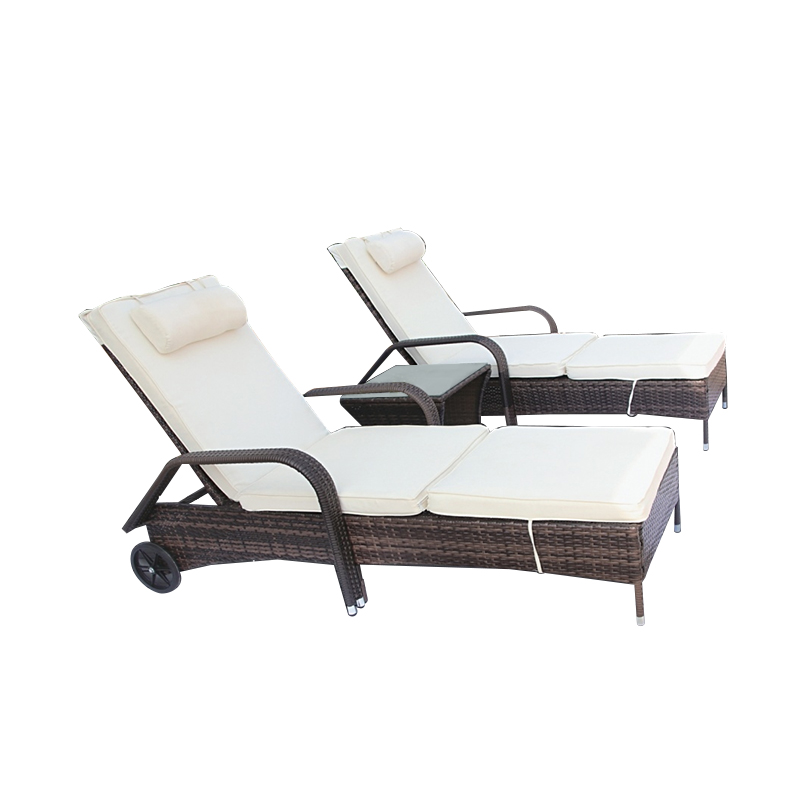
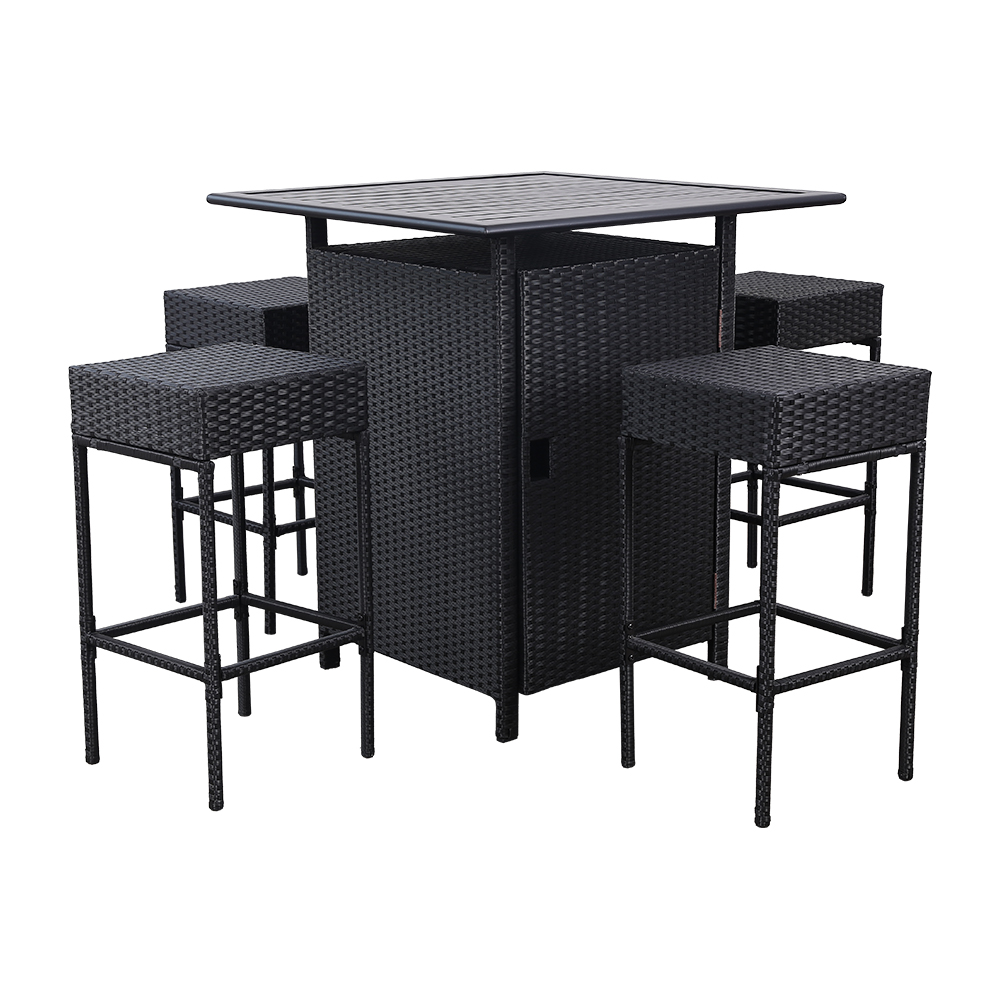
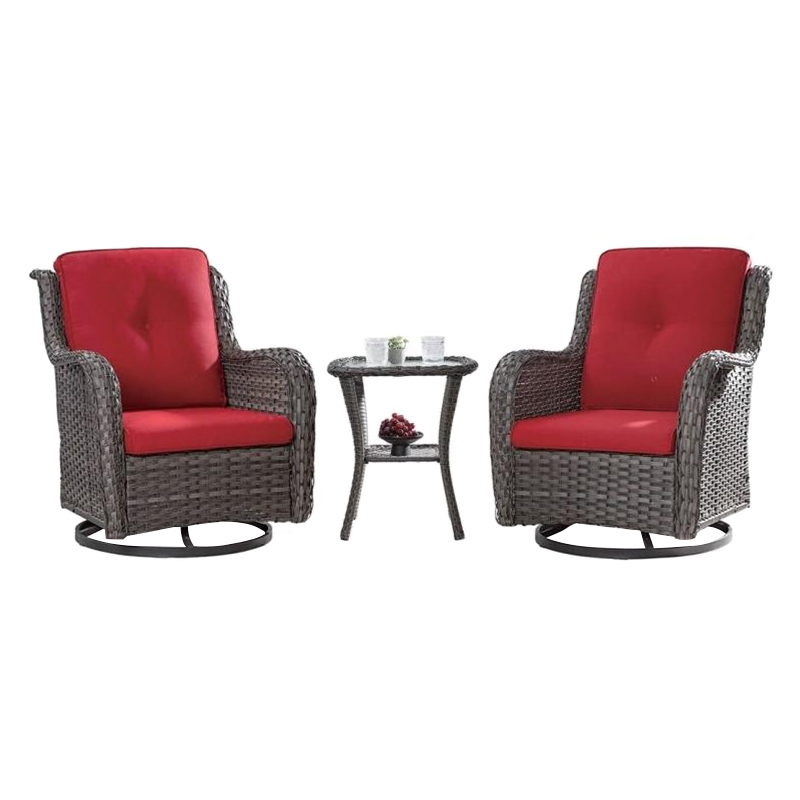
西班牙语The rattan furniture market has remained strong as homeowners seek natural-looking pieces for living rooms, patios, and sunrooms. Unlike solid wood furniture that can be heavy and prone to splitting, rattan furniture offers lightweight construction with a woven aesthetic. Homeowners and interior designers have specified rattan furniture for its ability to complement bohemian, coastal, and tropical design themes. The natural appearance of rattan furniture explains its continued presence in catalogs and showrooms. Manufacturers continue to produce rattan furniture in various styles including seating, tables, and storage pieces.
Material options for rattan furniture include natural and synthetic varieties. Natural rattan furniture uses the peeled stems of climbing palm plants, offering an authentic organic look. Synthetic rattan furniture made from polyethylene or PVC resists moisture, UV damage, and temperature swings. A weather-resistant rattan furniture set can remain on a patio year-round without deterioration. The choice between natural and synthetic rattan furniture depends on intended location and maintenance preferences. Natural rattan furniture suits indoor use or covered porches where moisture exposure is limited.
Frame construction underneath rattan furniture determines structural integrity. An aluminum frame on synthetic rattan furniture provides rust-proof support for outdoor applications. A steel frame on rattan furniture adds strength but requires protective coating against corrosion. The legs of rattan furniture often include rubber or plastic caps that protect flooring surfaces. A well-constructed rattan furniture piece feels solid when sat upon without excessive flex. The frame design of rattan furniture affects weight capacity and long-term durability.
Weaving patterns of rattan furniture contribute to both appearance and strength. A close weave on rattan furniture provides more surface contact for cushions and fewer gaps for small items to fall through. An open weave on rattan furniture creates a lighter, airier look suitable for coastal decor. The thickness of strands used in rattan furniture affects durability, with thicker strands resisting breakage better. A consistent weaving pattern on rattan furniture indicates quality manufacturing. Hand-woven rattan furniture typically commands higher prices than machine-woven alternatives.
Seat cushions for rattan furniture add comfort for extended sitting. A rattan furniture chair without cushions has a firm seating surface suitable for dining. Deep cushions on rattan furniture sofas and lounge chairs provide comfort for relaxation. The cushion covers for rattan furniture should be removable for cleaning. Outdoor-rated rattan furniture cushions use quick-dry foam and UV-resistant fabric. The cushion thickness on rattan furniture affects both comfort and the overall seating height.
Care requirements for rattan furniture depend on the material type. Natural rattan furniture requires dusting and occasional wiping with a damp cloth. Synthetic rattan furniture can be cleaned with mild soap and water using a soft brush. A protective sealant applied to natural rattan furniture extends its life in humid environments. Rattan furniture stored indoors during winter months avoids moisture damage in cold climates. A covered porch or awning reduces UV exposure for both natural and synthetic rattan furniture.
Rattan furniture will likely continue as a staple in casual and coastal interior design. Advances in synthetic materials may produce rattan furniture with improved UV resistance and texture. For homeowners seeking natural texture with lightweight construction, rattan furniture offers a practical solution.