

 英语
英语 西班牙语
西班牙语A flat lounger and an upright chair each do one thing well, and a Three-Gear Reclining Chair sits between the two by offering three fixed positions instead of one. Choosing a Three-Gear Reclining Chair over either fixed option means one seat covers ground that would otherwise need two pieces of furniture. Upright suits reading or eating from a side table. A middle position suits watching the pool or the yard without lying flat. Full recline suits sunbathing or an afternoon nap. The chair moves between all three without needing a different piece of furniture for each activity.
How three fixed positions hold their angle
The mechanism behind a Three-Gear Reclining Chair is simpler than it sounds. A notched bar or a set of pegs and holes along the frame lets the backrest lock at one of three points, and the frame carries the person's weight through that lock rather than through a spring or a gas cylinder. This keeps the design straightforward to build and simple to repair, since the working parts are a bar, a set of notches and a pin, not a sealed mechanism. A worn pin or a bent bar can be swapped without replacing the whole frame, which keeps a reclining chair in service longer than a sealed gas-cylinder design would allow once its mechanism fails.
Each notch has to hold securely under load, and the gap between notches decides how different the three positions feel. A Three-Gear Reclining Chair with evenly spaced notches gives a genuine middle position rather than one that sits close to upright or close to flat, which matters if the buyer expects the middle setting to work for reading as well as for watching the yard. Testing the middle notch in person confirms it lands where it should.
Changing position should not need much effort. Many designs let the user lift the backrest slightly to clear the current notch, move it to the next one, and let it settle into place under its own weight. A Three-Gear Reclining Chair that needs two hands and real force to adjust gets used at one setting and left there, which defeats the purpose of having three positions at all.
Frame demands of repeated adjustment
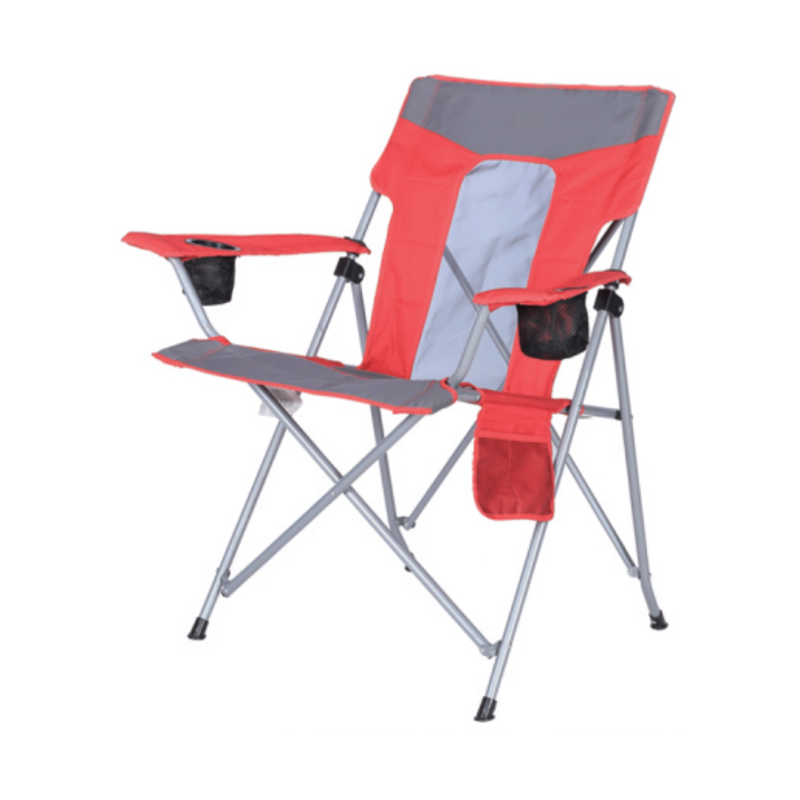
A fixed chair takes its full load once and holds it. A reclining chair takes that same load, but the backrest joint also takes repeated movement as it shifts between positions many times over a season. The pivot point at the base of the backrest is the part under the heaviest repeated stress, since it flexes every time the chair changes position rather than sitting under one constant load.
Aluminum tube frames suit this kind of repeated movement well, since the tube resists fatigue at the pivot better than a lighter material would, and the frame holds its shape through hundreds of adjustments rather than loosening at the joint. A Three-Gear Reclining Chair built with a solid pivot connection keeps the same locking feel after a season of daily use as it had when new.
Matching a reclining chair to where it sits
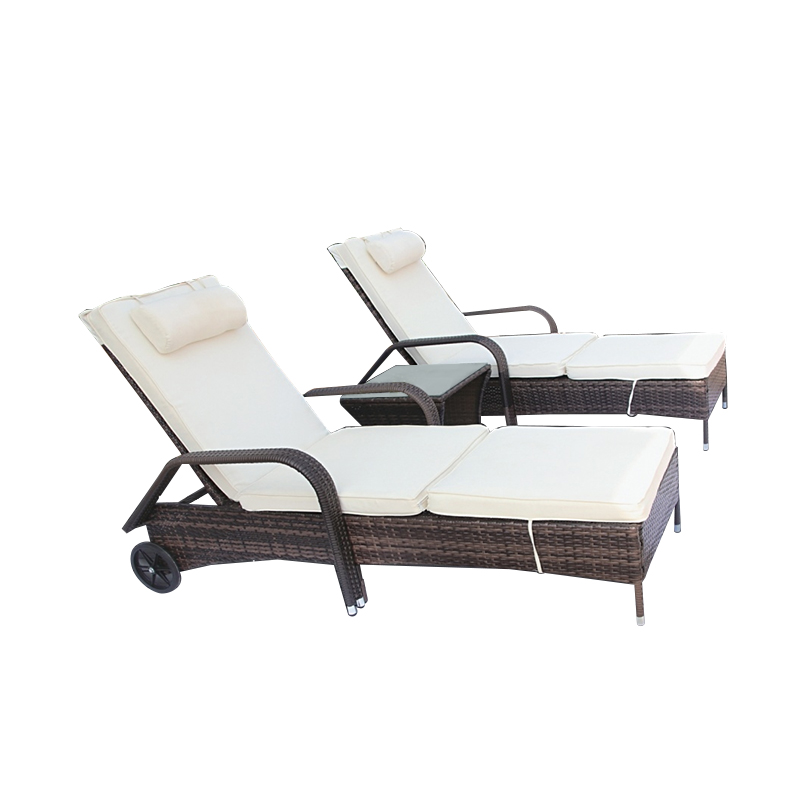
Poolside and beach use are common settings for a Three-Gear Reclining Chair, since both call for a chair that goes from upright to flat depending on the time of day. A morning spent reading calls for the upright setting, while an afternoon of sun calls for full recline, and the chair changes with the day instead of being swapped for a different piece.
Weight and portability follow from where the chair will spend the greater part of its season. A chair meant to move between a storage area and the poolside each day benefits from a lighter frame and a simple carry point, while one that stays in place all season can carry a little more weight in exchange for a sturdier build. A reclining chair aimed at rental or hotel poolside use often favours the sturdier build, since it stays in one place and sees continuous use by different guests.
Offering a reclining chair across a product line
Buyers can position a Three-Gear Reclining Chair alongside fixed loungers and upright chairs in the same collection, giving retailers one product that covers the middle ground between the two. Listing the exact angle of each of the three positions helps buyers compare models, since "three positions" alone does not say how close the middle setting sits to upright or to flat.
Frame finish, fabric and armrest style can be adjusted for private label projects without changing the locking mechanism itself, and the notch spacing can be tuned once for a whole product line rather than reworked for each colour option. A Three-Gear Reclining Chair built on a proven notch-and-pin mechanism gives a buyer a dependable adjustable seat, and offering it beside single-position chairs lets a retailer serve both the buyer who wants one fixed seat and the one who wants a chair that changes through the day.