

 英语
英语 西班牙语
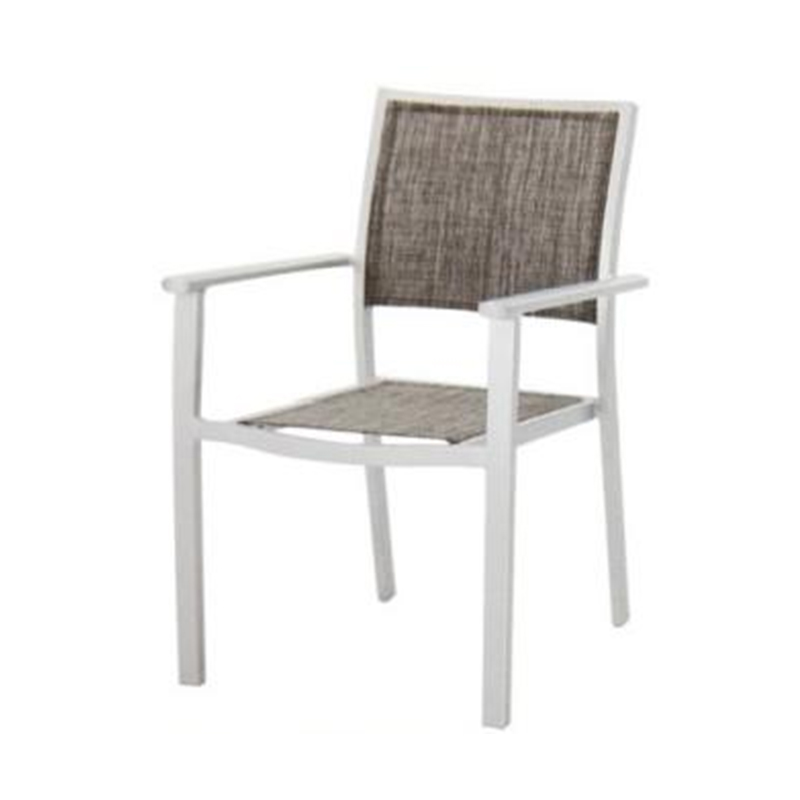
西班牙语The market for outdoor living products has experienced a notable change in recent years, with garden furniture emerging as a central focus for homeowners and renters alike. As more people spend time in their backyards, patios, and balconies, the demand for comfortable and durable garden furniture has grown steadily. Industry observers note that consumers are no longer satisfied with basic plastic chairs or flimsy tables. Instead, they seek garden furniture that offers both functionality and visual appeal. This shift in expectations has encouraged manufacturers to rethink their designs and materials. The result is a wider variety of garden furniture available today than just a few seasons ago.
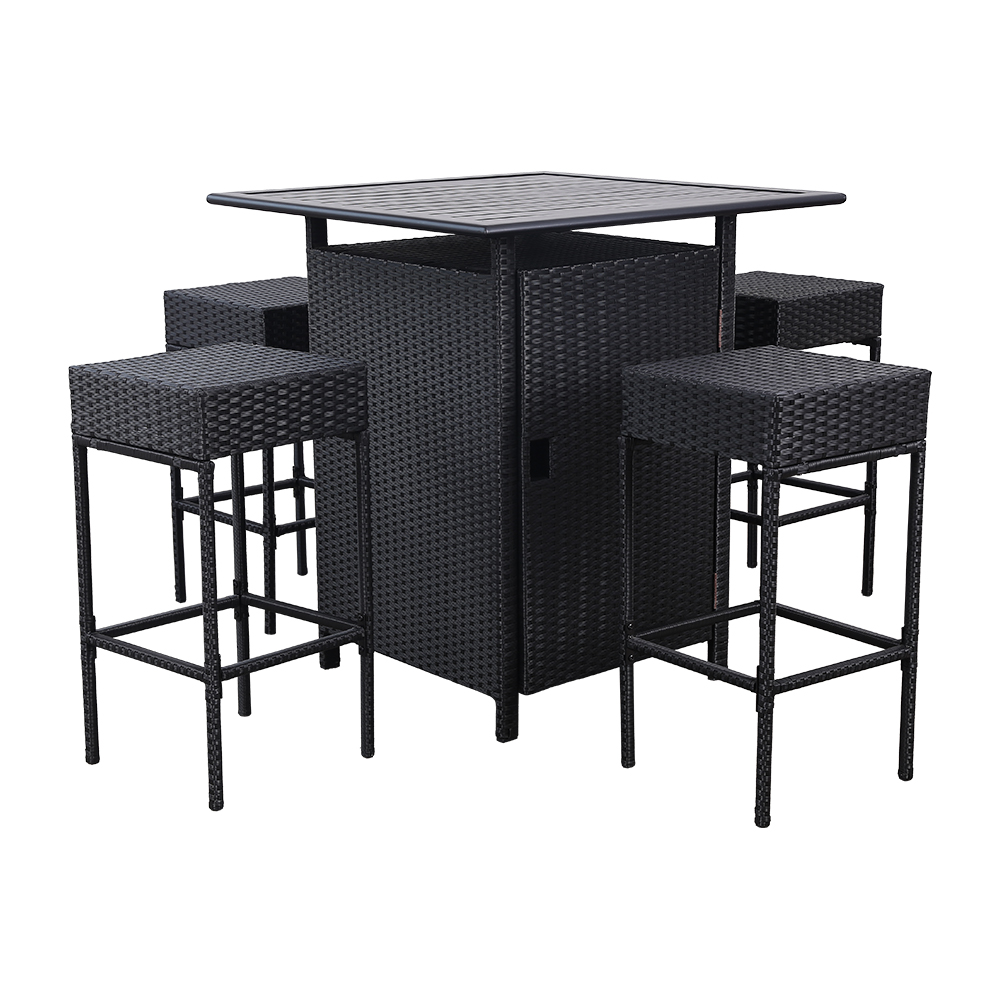
A visible trend in garden furniture is the increasing use of weather-resistant materials. Traditional wood remains popular, but many buyers now prefer treated options that require less upkeep. Teak and acacia, for example, are often chosen for their natural resistance to moisture and insects. Meanwhile, synthetic materials have also improved significantly. High-density polyethylene and powder-coated aluminum are now common in garden furniture because they do not rust or crack easily. These materials allow owners to leave their garden furniture outside for many of the year without worrying about rapid wear. For those living in coastal areas or regions with heavy rainfall, this durability is especially valuable.
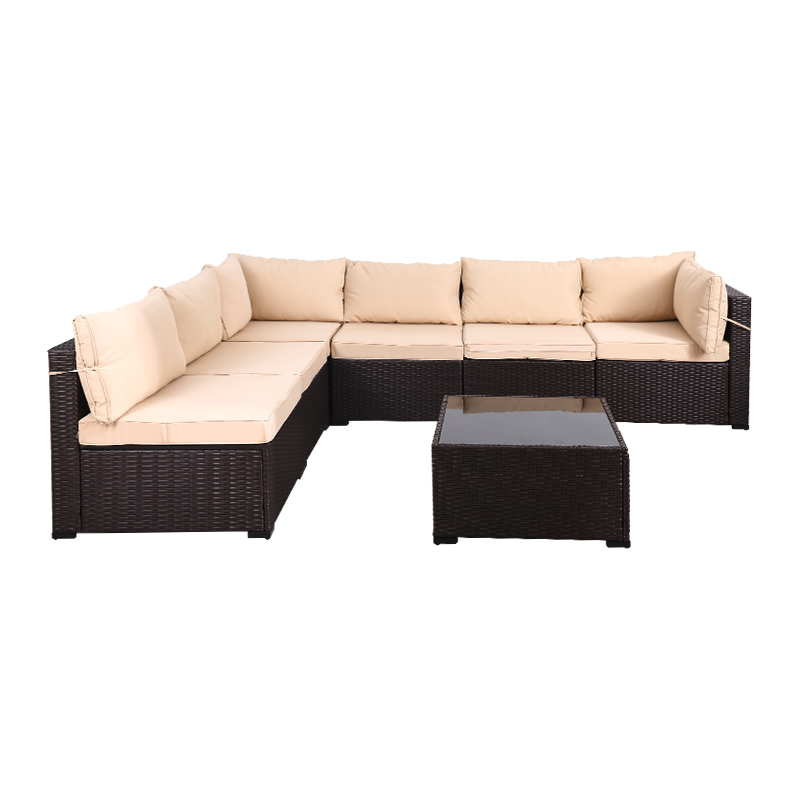
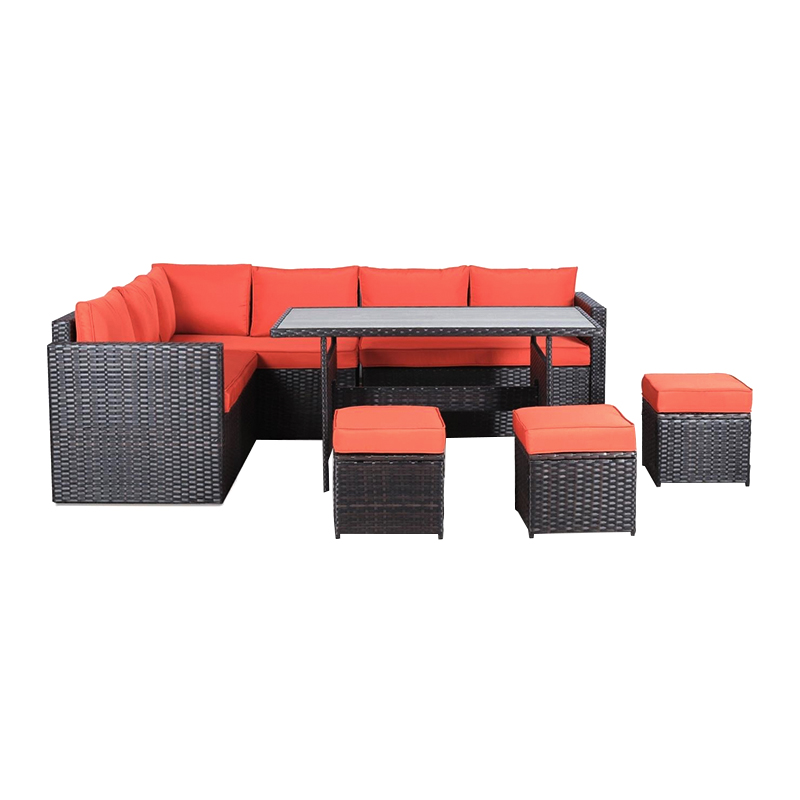
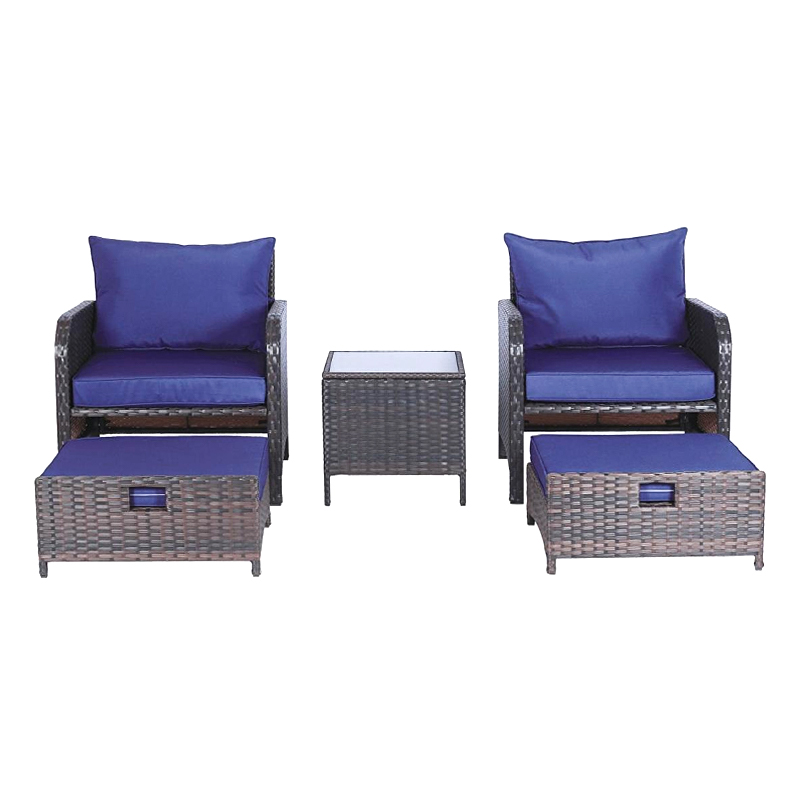
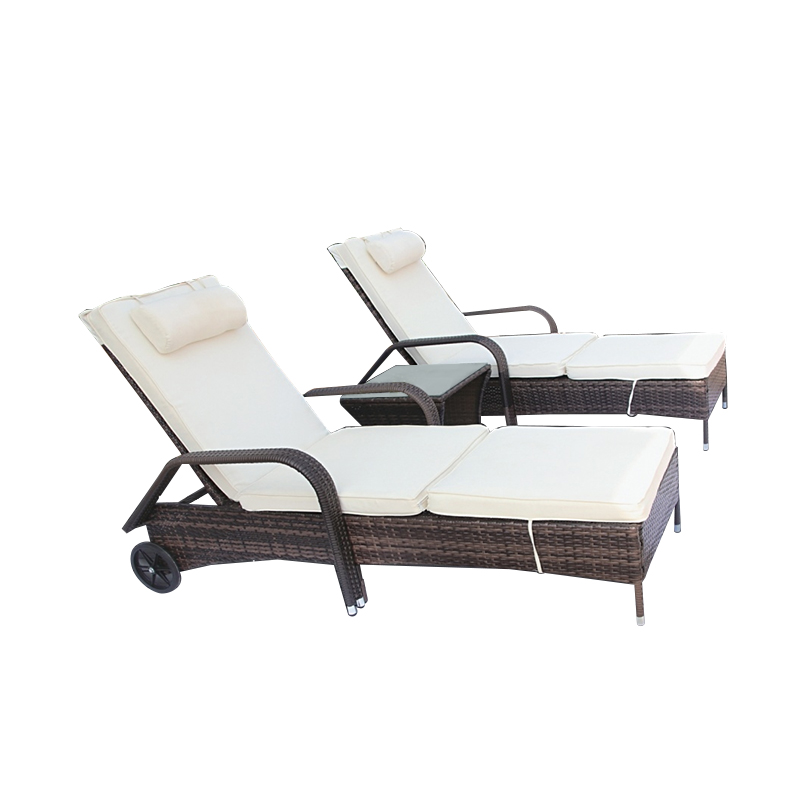
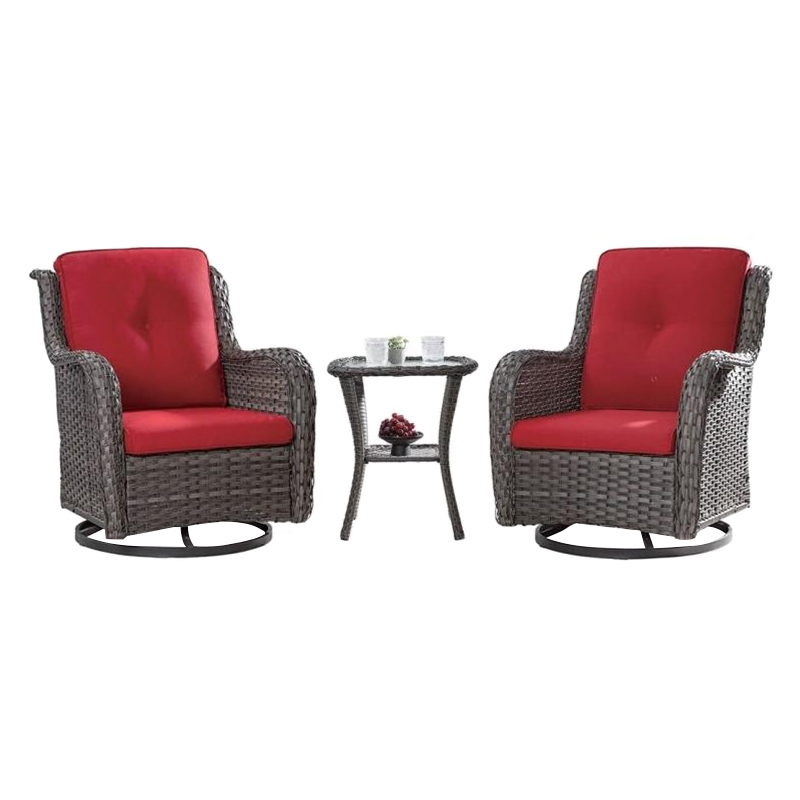
Another factor driving interest in garden furniture is the rise of outdoor living as an extension of indoor spaces. Many homes now feature dining sets, lounge chairs, and even sofas placed on terraces or decks. This trend has led to garden furniture that closely resembles indoor furnishings in style and comfort. Cushions with removable, washable covers have become standard. Some garden furniture includes built-in storage or adjustable backrests. The line between indoor and outdoor design continues to blur, and garden furniture is at the center of that change. Consumers appreciate having the same level of comfort outside as they enjoy inside their homes.
Sustainability has also entered the conversation around garden furniture. Buyers are showing more interest in products made from recycled or responsibly sourced materials. Some garden furniture now incorporates reclaimed wood or recycled plastics. These options appeal to those who want to reduce their environmental footprint without sacrificing quality. Additionally, long-lasting garden furniture is itself a form of sustainability, as it reduces the need for frequent replacements. Manufacturers have responded by offering warranties and care guides that help customers extend the life of their garden furniture. This focus on durability aligns with broader consumer trends toward mindful purchasing.
Retail reports suggest that the popularity of garden furniture tends to rise during early spring and continue through summer. However, sales have become less seasonal in some markets as people invest in heating lamps and weather covers. With these accessories, garden furniture can be used well into autumn or even winter in milder climates. Many customers read reviews and watch assembly videos before selecting their garden furniture. This access to information has raised expectations for product quality and customer support. As a result, sellers are paying more attention to clear instructions and responsive service.
Garden furniture is expected to keep evolving in response to consumer needs. Smaller urban spaces have led to compact and foldable designs. Multifunctional pieces, such as benches that convert into tables, are also gaining attention. While no single style or material dominates the market, the overall direction is toward greater versatility and resilience. For anyone looking to refresh an outdoor area, today's garden furniture offers more choices than ever before.