

 英语
英语 西班牙语
西班牙语As homeowners increasingly view their gardens, patios, and balconies as extensions of their indoor living space, the market for garden furniture is experiencing a corresponding evolution. No longer relegated to simple, seasonal items, contemporary garden furniture is designed for comfort, style, and resilience, reflecting a desire to create fully functional outdoor rooms for dining, relaxing, and entertaining.
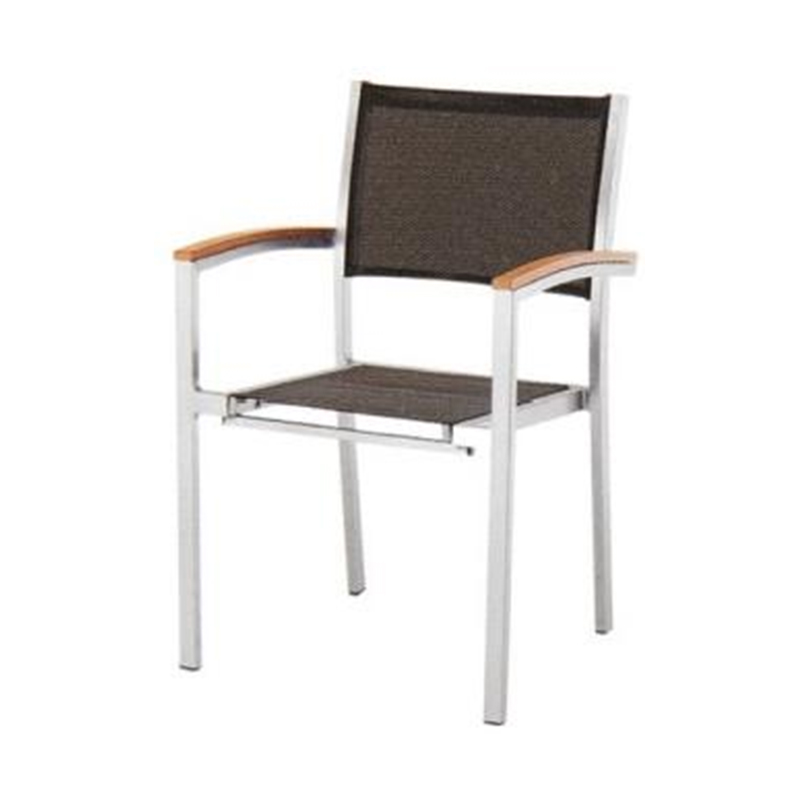
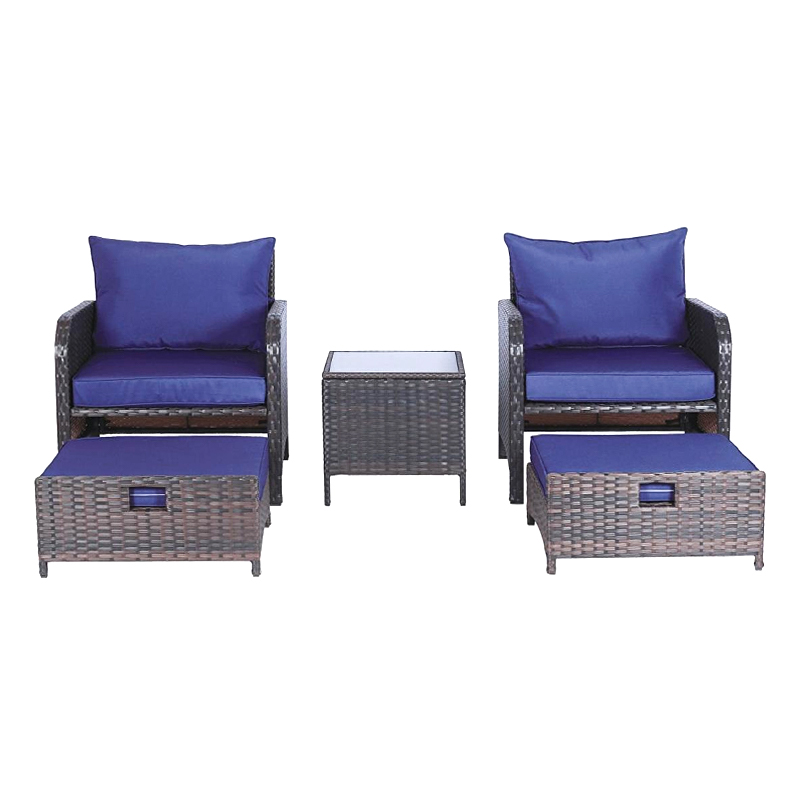
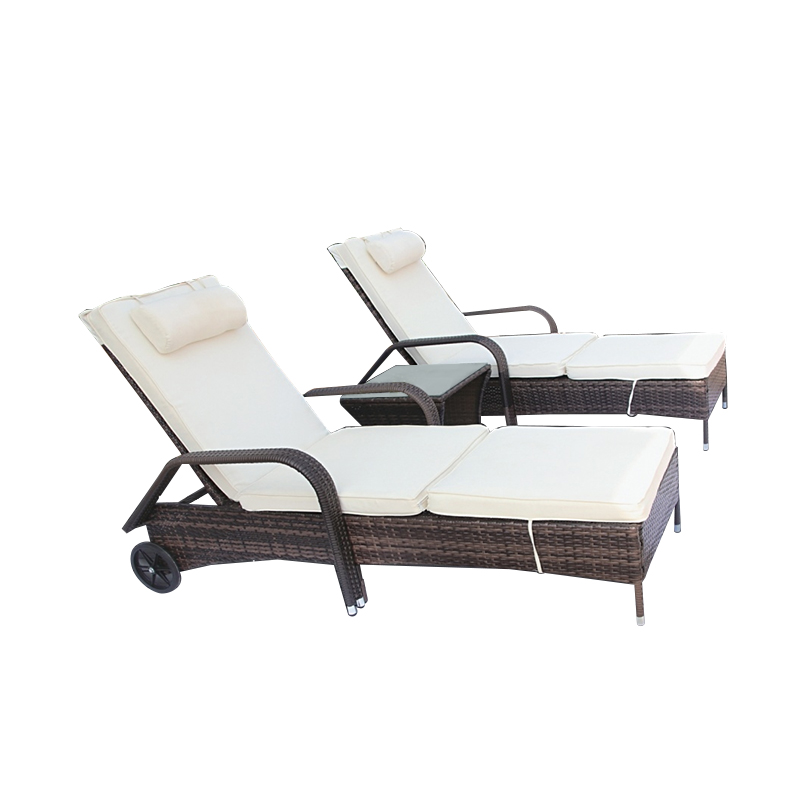
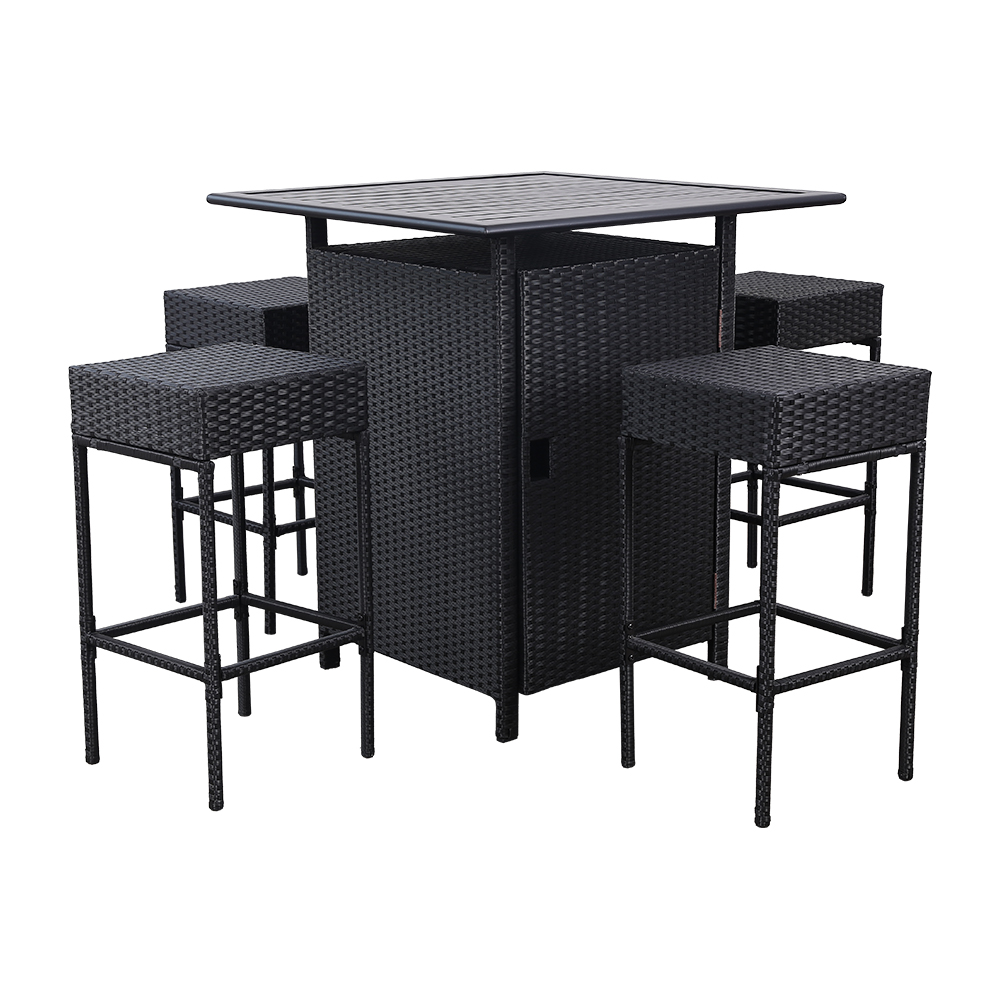
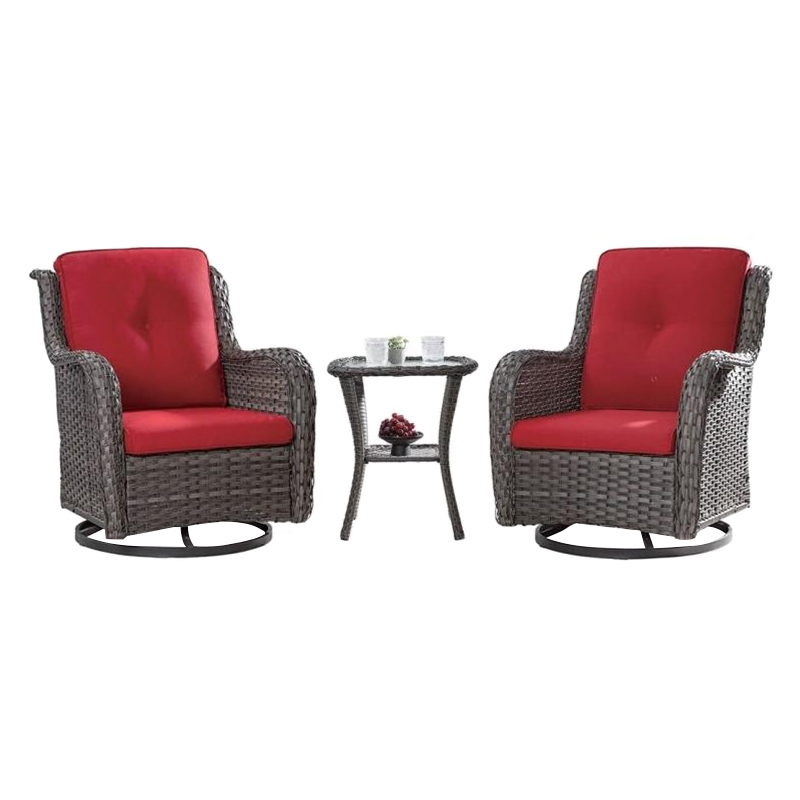
The selection of materials is fundamental to the performance and aesthetics of modern garden furniture. Traditional materials like solid teak and other hardwoods remain prized for their natural durability and classic appeal, though they often require periodic maintenance. In recent years, synthetic alternatives have gained substantial ground. Powder-coated aluminum offers a lightweight, rust-proof framework for many garden furniture sets, while all-weather wicker, typically made from polyethylene resin, provides the look of natural rattan with far greater resistance to sun and moisture. For tabletops and surfaces, tempered glass, composite materials, and treated stone are popular choices that balance visual appeal with practical longevity.
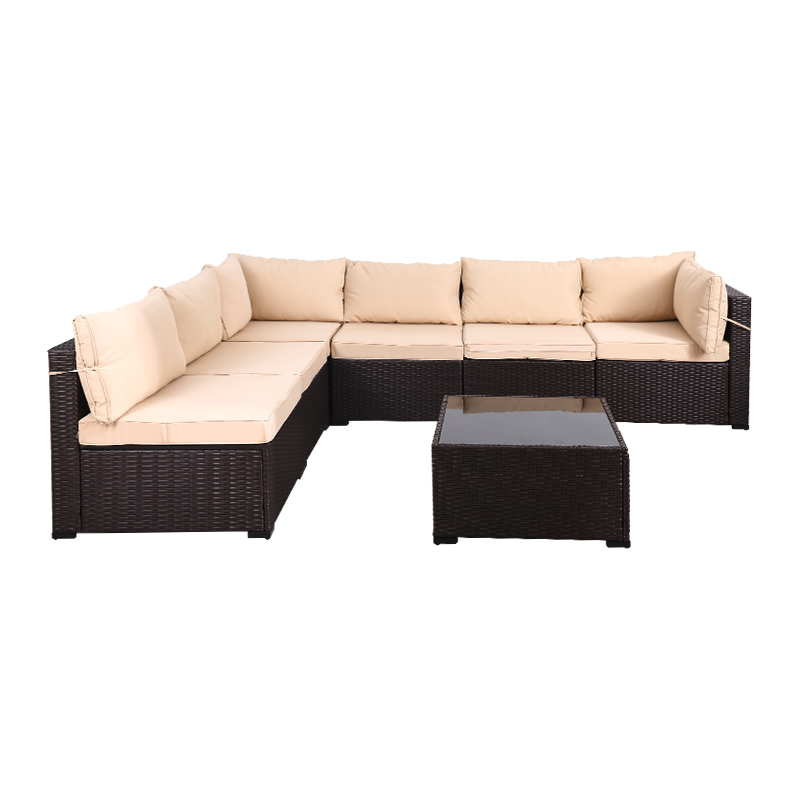
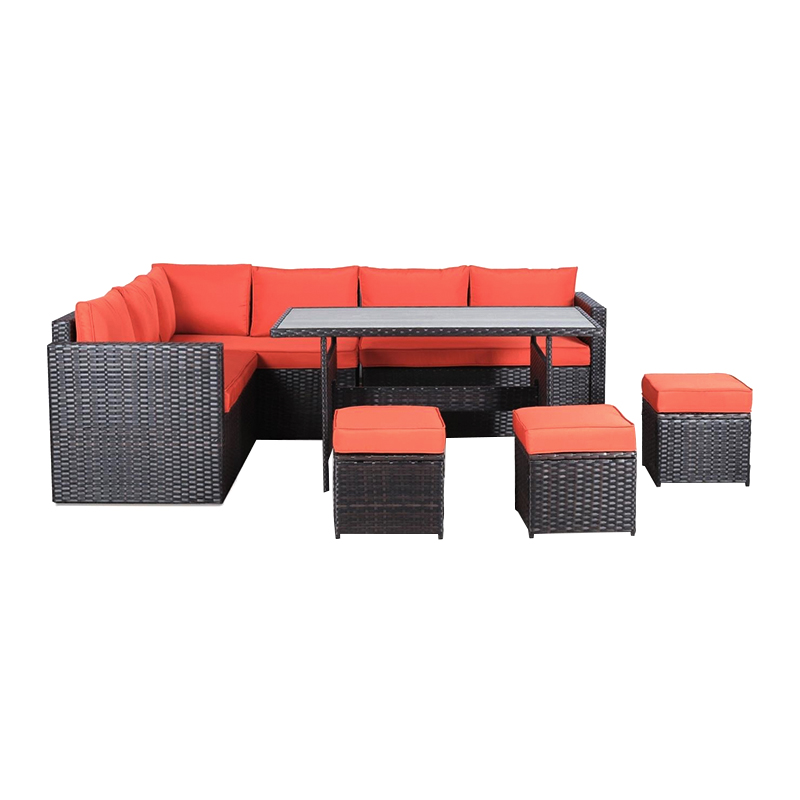
A key trend in garden furniture design is the emphasis on comfort and cohesive styling. Deep-seating sofa sets with plush, weather-resistant cushions create inviting conversation areas. Dining sets are designed to accommodate both large gatherings and intimate meals, with umbrella holes often integrated into tables for adaptable shade. The lines between indoor and garden furniture are blurring, with upholstery fabrics now boasting UV resistance and quick-drying capabilities, allowing for a seamless flow of decor from the living room to the terrace.
Durability and ease of maintenance are primary considerations for consumers investing in garden furniture. Products are expected to withstand seasonal changes, including sun exposure, rain, and temperature fluctuations, without significant degradation. High-quality garden furniture addresses this through robust construction, weather-resistant finishes, and fabrics treated for mold and fade resistance. This focus on longevity aligns with a move towards viewing garden furniture as a long-term investment rather than a disposable seasonal purchase. Many consumers now opt for furniture that can remain outside for much of the year, sometimes with the aid of protective covers during harsh weather.
The concept of the outdoor room has expanded the functional scope of garden furniture. Beyond traditional seating and dining sets, the category now includes complementary pieces such as daybeds, swing chairs, modular sectional sofas, and freestanding hammocks. Fire pit tables and outdoor heaters are frequently paired with garden furniture to extend usability into cooler evenings. This trend underscores a holistic approach to landscaping and exterior design, where garden furniture is a central, integrated element of the overall space.
Sustainability is becoming an increasingly important factor within the garden furniture market. There is growing interest in products made from recycled materials, such as plastics for synthetic wicker or aluminum, and in woods sourced from responsibly managed forests. The longevity of the furniture itself is also a form of sustainability, reducing waste from frequent replacement. Manufacturers are responding by highlighting the eco-credentials of their materials and production processes.
Innovation in garden furniture is likely to continue focusing on material science for even greater weather resistance and comfort, along with designs that improve space in smaller urban gardens and balconies. Modular and foldable garden furniture that offers flexibility is expected to remain popular. As the desire to connect with nature and improve usable living space persists, garden furniture will continue its transition from basic utility to a key component of thoughtful, year-round outdoor living, shaping how people relax, socialize, and enjoy their personal outdoor environments.