

 英语
英语 西班牙语
西班牙语The market for garden furniture is experiencing a notable transformation as changing lifestyle patterns and consumer preferences redefine outdoor living spaces. Once considered a seasonal purchase, garden furniture is now viewed as an integral component of the home, driving demand for designs that blend durability with aesthetic appeal for year-round use. This shift is encouraging manufacturers and retailers to innovate, focusing on materials, comfort, and multifunctional designs.
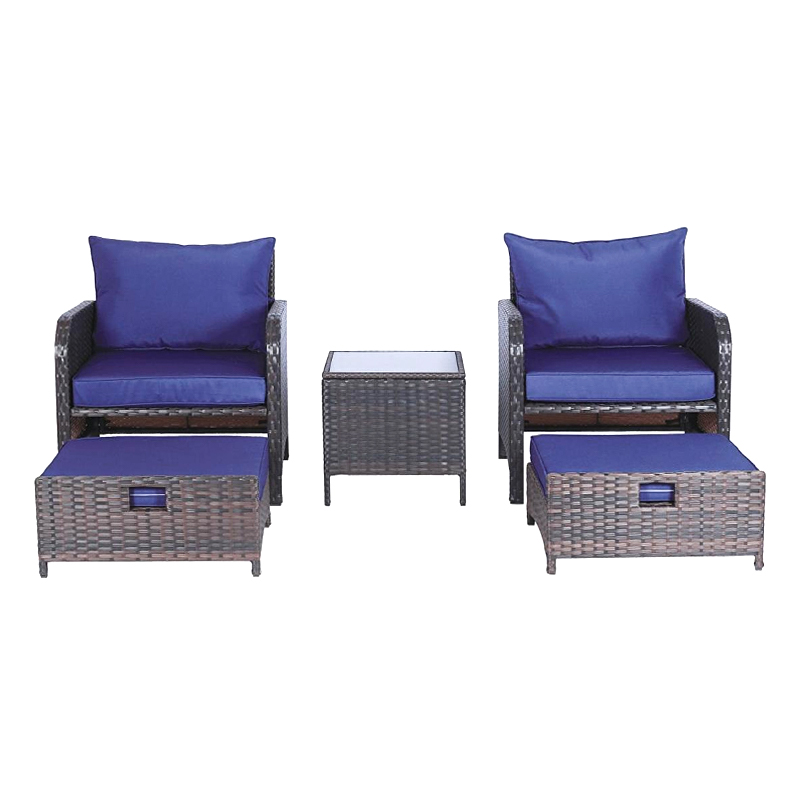
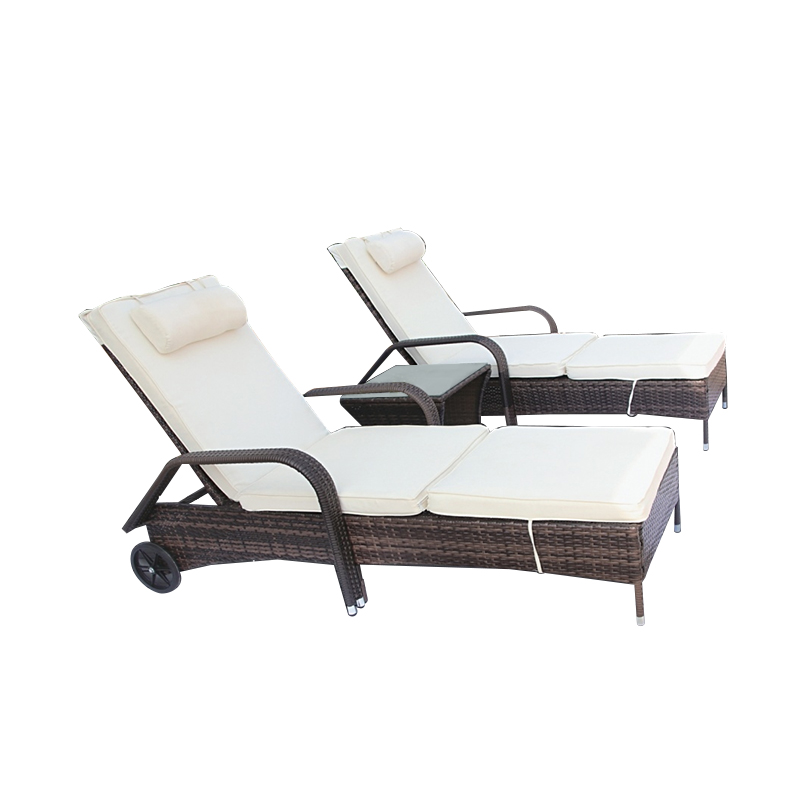
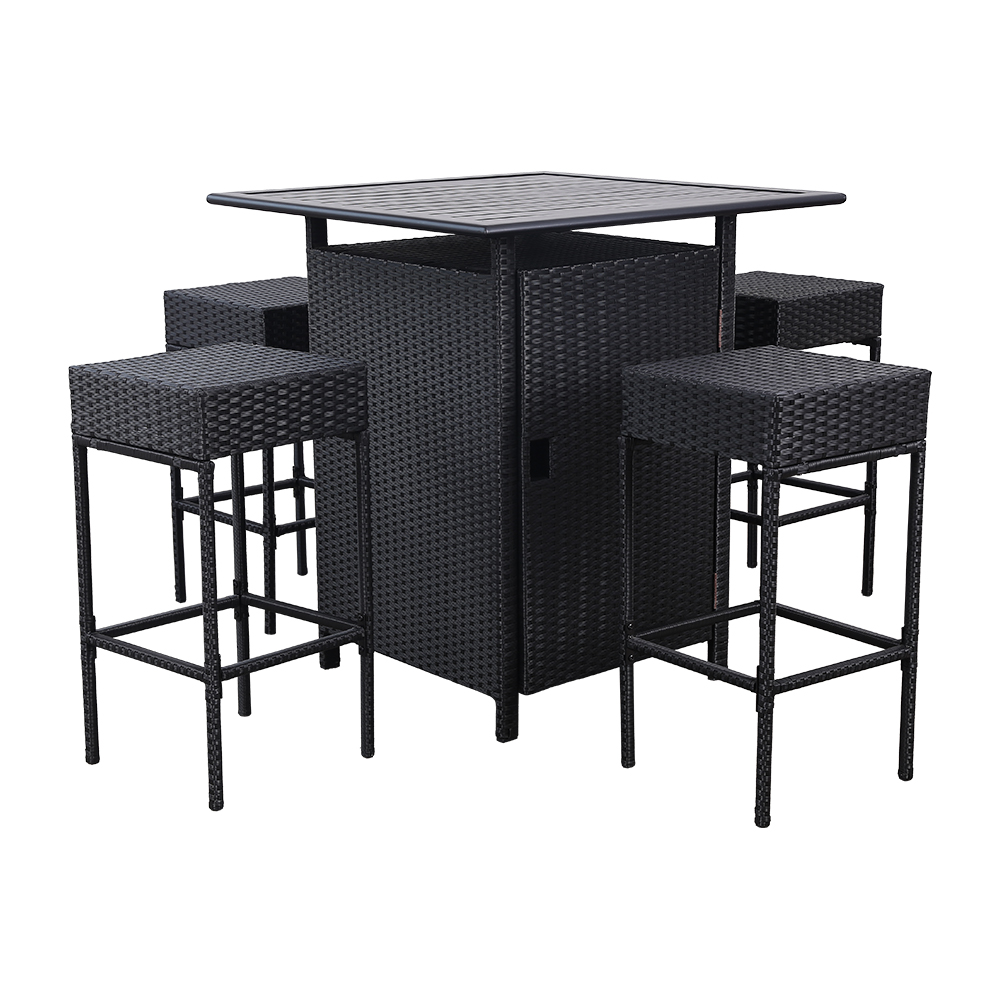
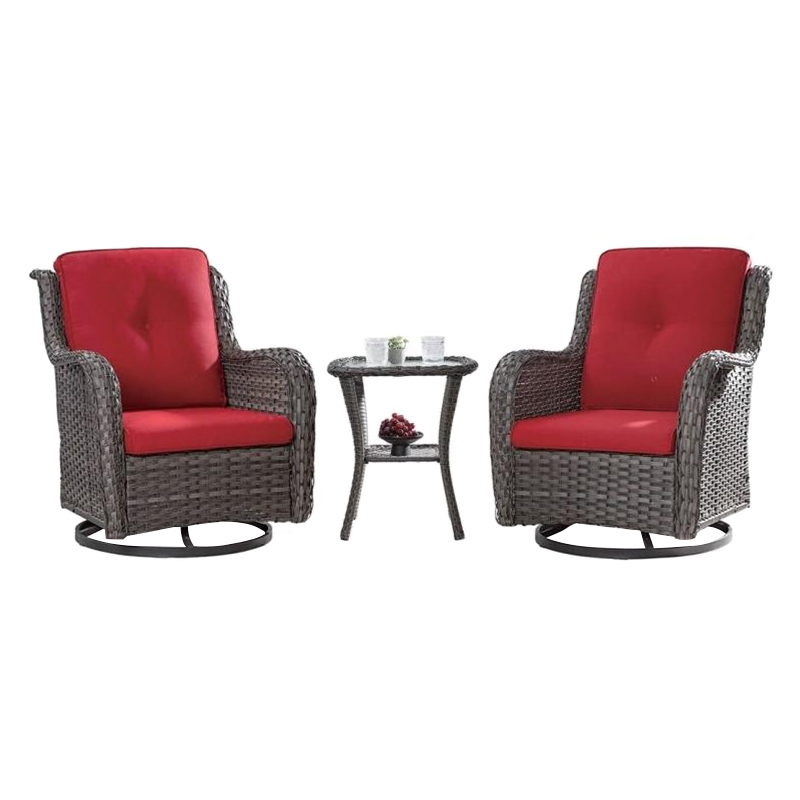
A primary driver in the garden furniture market is the sustained interest in outdoor living. Homes with patios, balconies, and gardens are increasingly seen as extensions of indoor living areas. Consumers are investing in high-quality garden furniture sets that facilitate dining, relaxation, and entertainment outdoors. This has led to a move beyond traditional, purely utilitarian pieces toward coordinated collections that mirror interior design sophistication. Consequently, the lines between indoor and outdoor garden furniture continue to blur, with weather-resistant fabrics and finishes that offer both style and longevity.
Material innovation remains a central focus for the garden furniture industry. There is a clear trend towards sustainable and low-maintenance materials. Recycled plastics, responsibly sourced hardwoods like acacia and teak, and powder-coated aluminum are highly sought after. These materials are selected for their ability to withstand varied weather conditions while reducing the need for frequent upkeep. Furthermore, textiles used for cushions and umbrellas in garden furniture sets increasingly feature solution-dyed yarns and water-repellent coatings, ensuring colorfastness and easier cleaning.
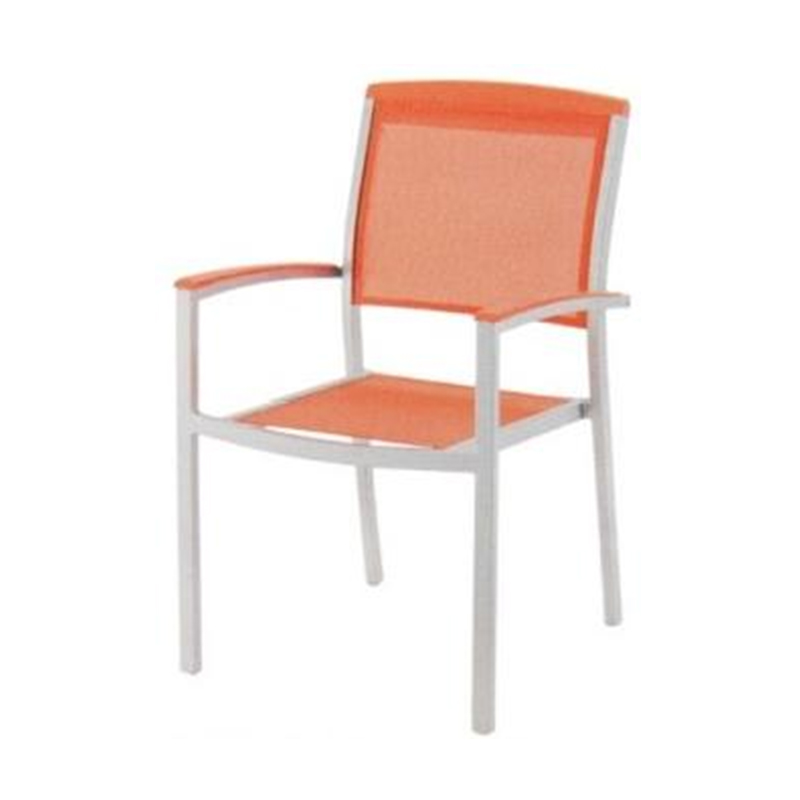
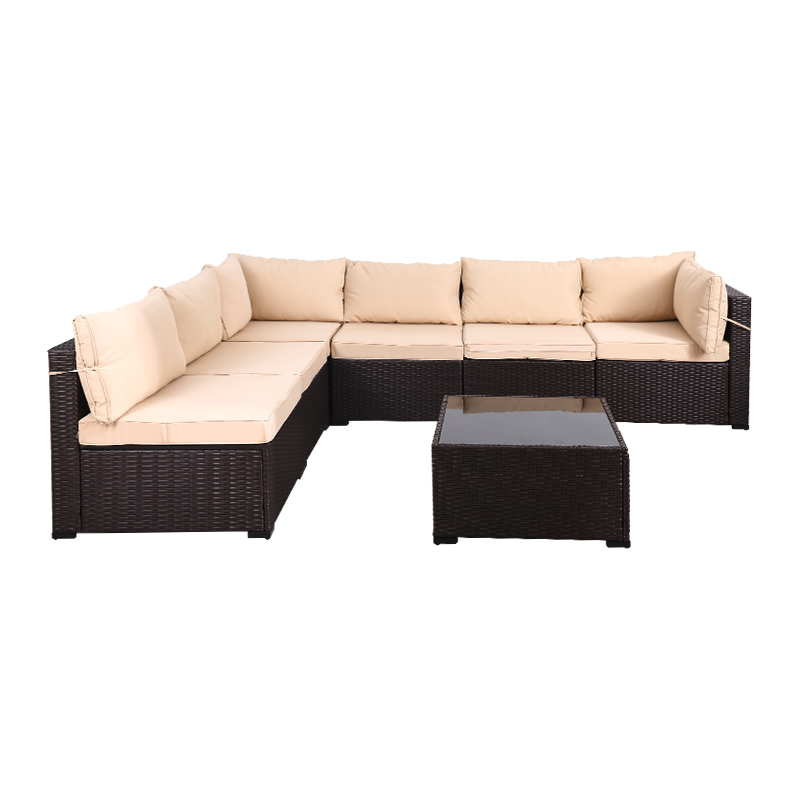
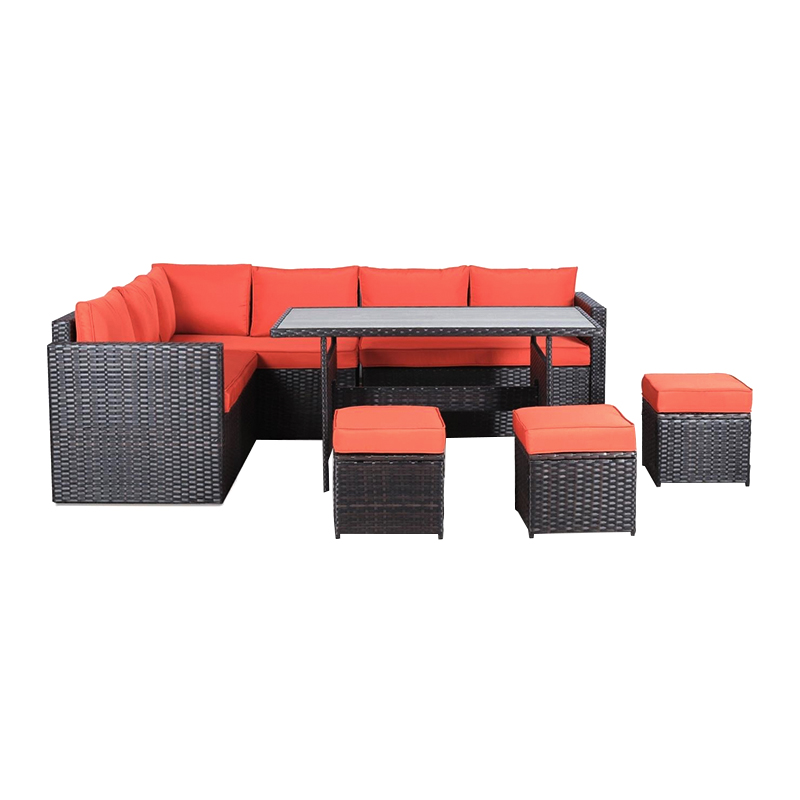
Another significant trend influencing garden furniture design is the demand for versatility and space optimization. With urban living spaces often featuring smaller outdoor areas, modular garden furniture is gaining popularity. Sectional seating, foldable tables, and stackable chairs allow consumers to customize their layouts for different occasions and conserve space when not in use. This flexible approach to garden furniture makes it practical for a wider range of home configurations, from compact city balconies to larger suburban gardens.
The retail environment for garden furniture is also evolving. While physical stores allow customers to assess comfort and build quality, online sales channels have become crucial. Detailed product information, high-quality imagery, and virtual visualization tools help consumers make informed decisions about their garden furniture purchases from home. This omnichannel approach requires retailers to provide a seamless experience, from online research to final delivery and assembly services.
The global supply chain has presented challenges for the garden furniture sector, affecting production timelines and material costs. Industry participants are responding by exploring more regional sourcing options for raw materials and components to improve resilience. Additionally, there is a heightened focus on the entire product lifecycle, with some brands introducing take-back programs or designing garden furniture for easier disassembly and recycling at the end of its use.
The garden furniture market is expected to remain dynamic. Key areas for development include further integration of smart technology, such as built-in lighting or charging ports in garden furniture pieces, and a continued emphasis on eco-conscious production processes. As consumers continue to value their outdoor spaces for leisure and well-being, the demand for thoughtful, durable, and stylish garden furniture that creates a personal sanctuary is likely to persist, guiding the industry's innovative efforts for seasons to come.