

 英语
英语 西班牙语
西班牙语The concept of dedicated relaxation within domestic and commercial spaces has brought increased attention to a fundamental piece of furniture: the leisure chair. Distinct from formal dining or task-oriented office seating, the leisure chair is designed primarily for comfort, relaxation, and personal repose. As people worldwide spend more time in their homes and seek to create personalized sanctuaries, the design, functionality, and materiality of the leisure chair have become significant considerations for consumers and interior designers alike.
The defining characteristic of a leisure chair is its emphasis on comfort and support over extended periods of sitting. This is often achieved through ergonomic shaping, generous padding, and supportive backrests. Designs range from the classic, enveloping wingback chair to modern recliners, sleek accent chairs, and oversized modular pieces that invite users to curl up with a book or screen. The intended use of a leisure chair—for reading, resting, conversing, or simply unwinding—directly informs its proportions, cushioning density, and overall form, prioritizing a subjective sense of ease and well-being.
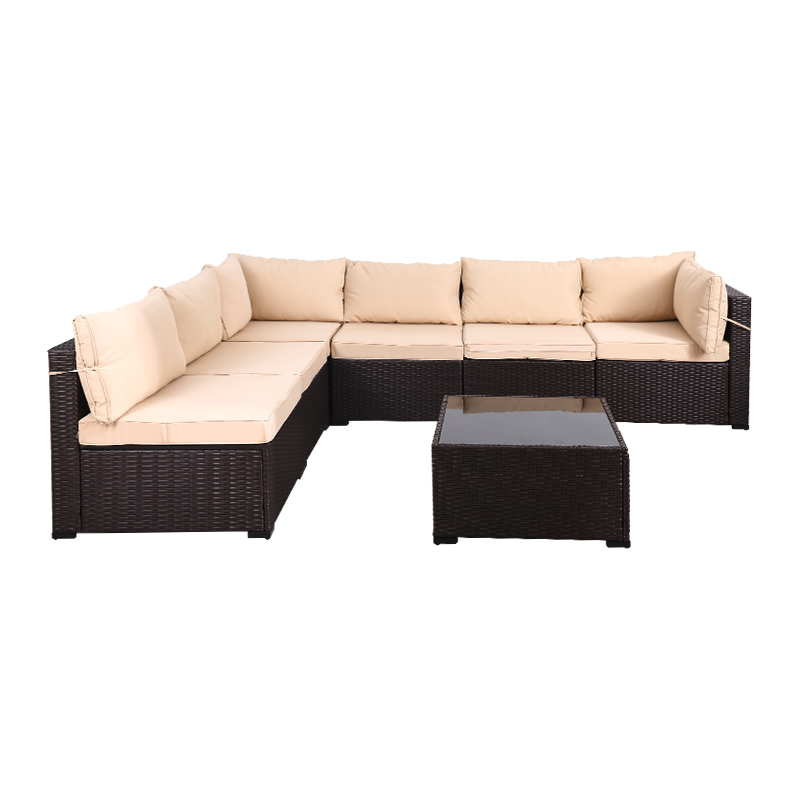
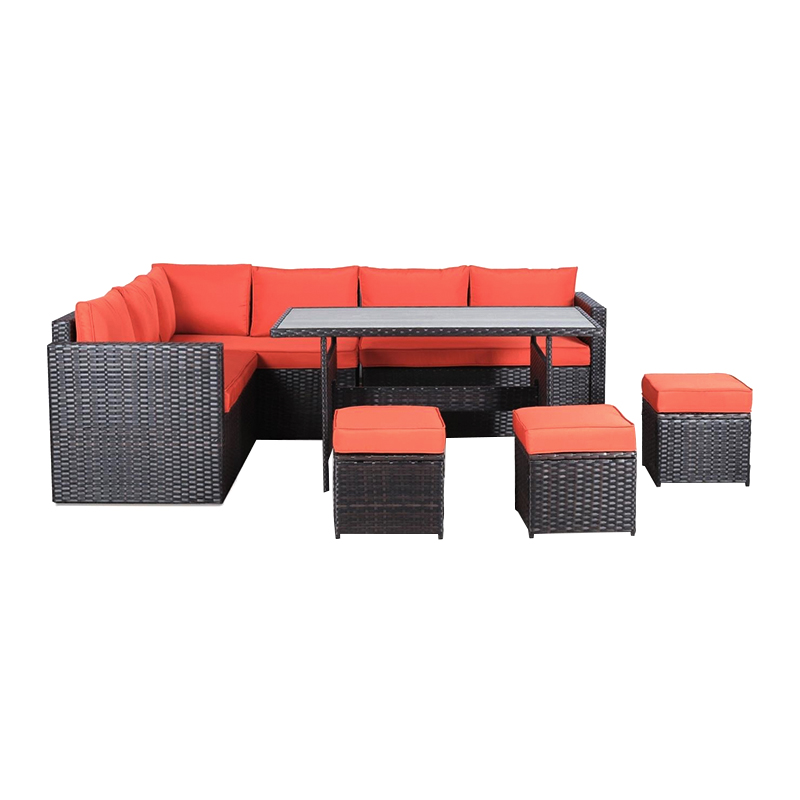
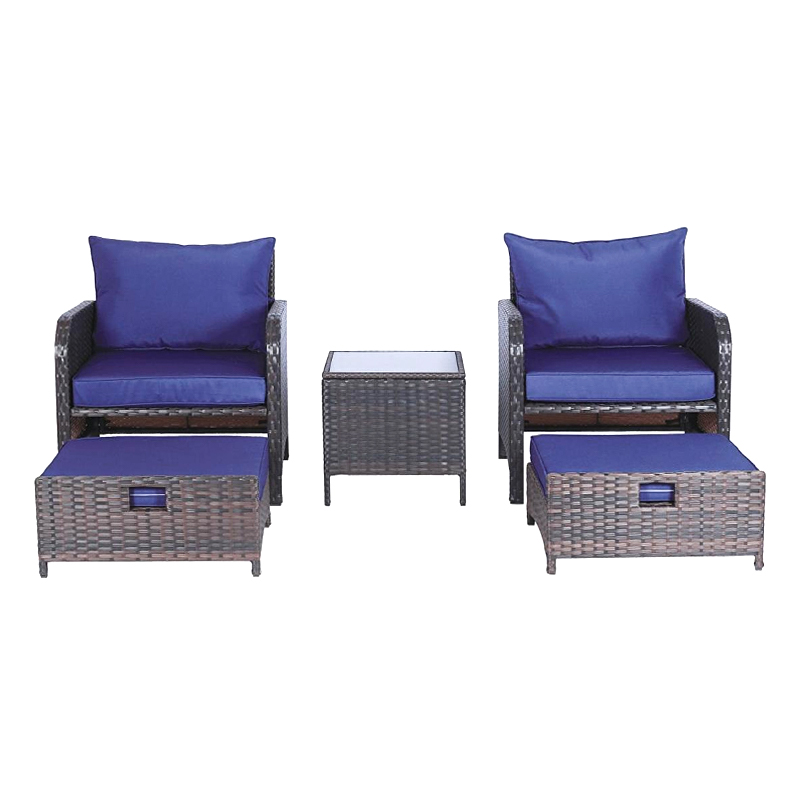
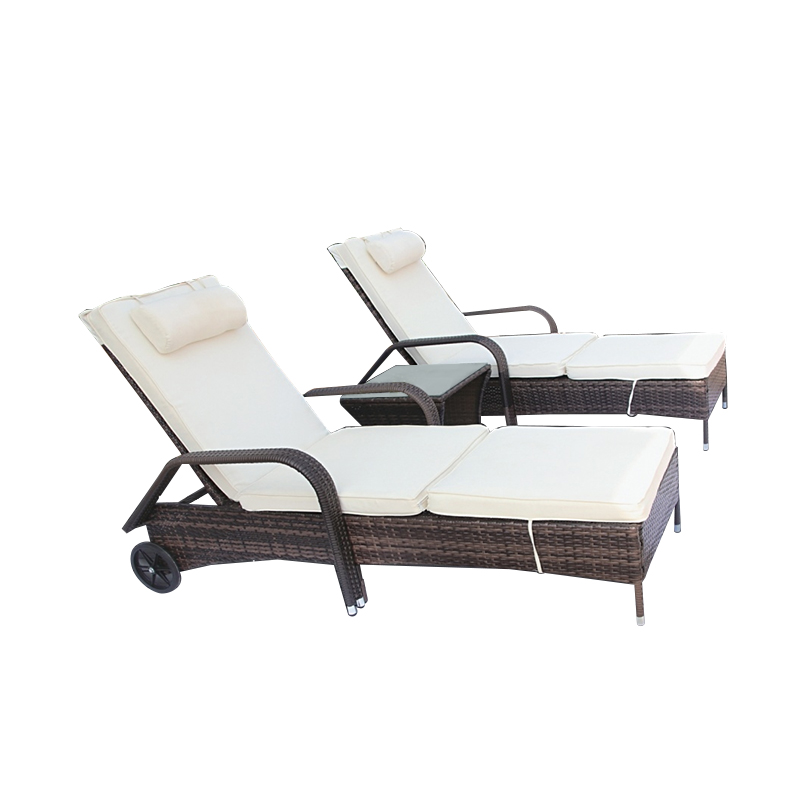
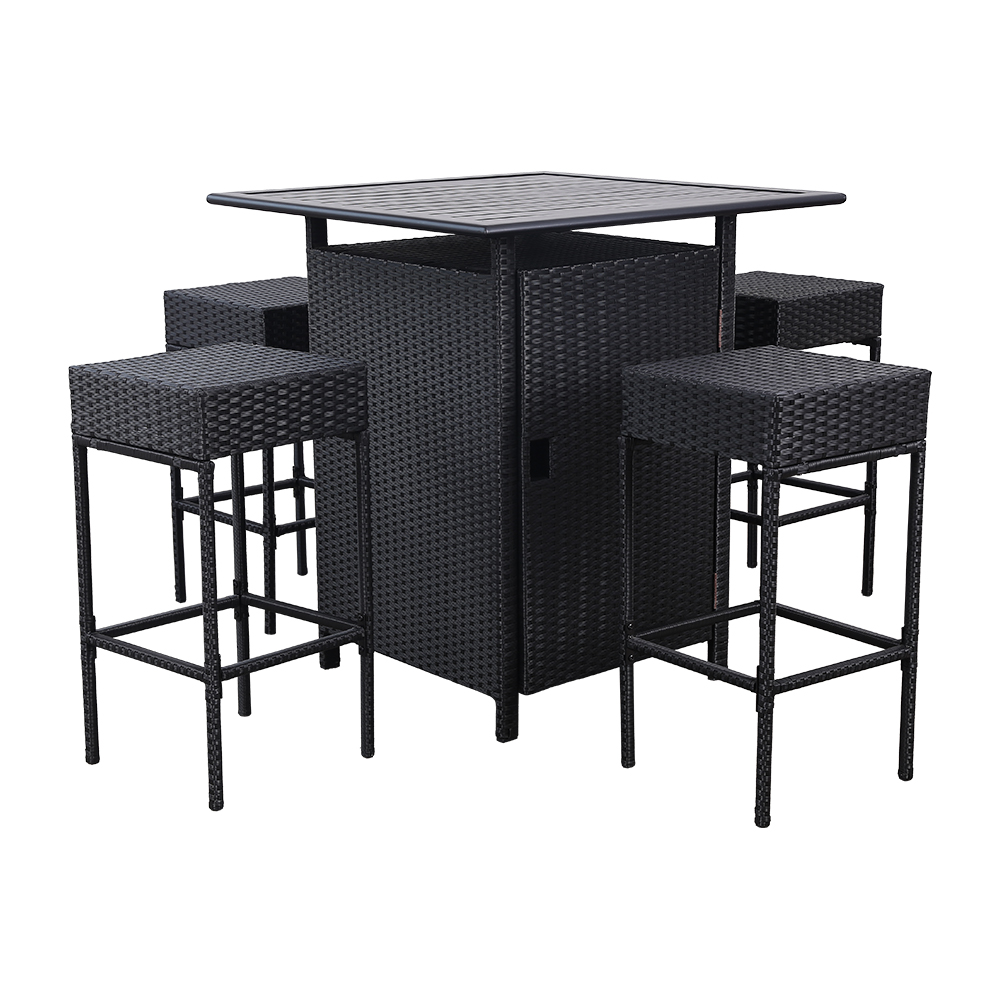
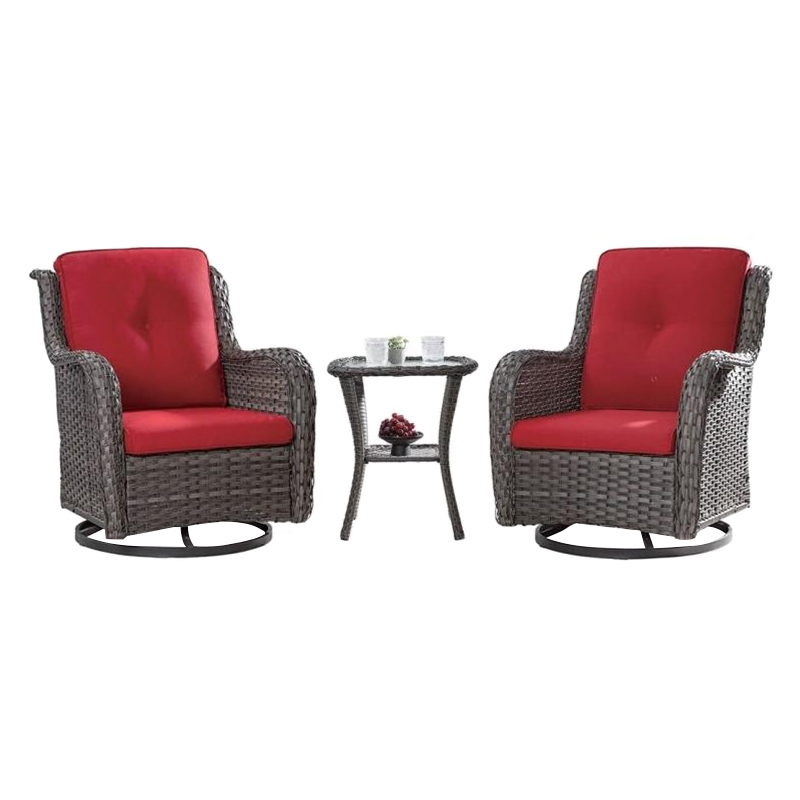
Material innovation plays a crucial role in the appeal and performance of the contemporary leisure chair. Upholstery options have expanded far beyond traditional fabrics. Performance textiles that are stain-resistant, breathable, and easy to clean are popular for households with children or pets. Durable synthetic leathers and genuine leather remain choices for their aesthetic and tactile qualities. For outdoor leisure chair options, weather-resistant synthetic wicker, powder-coated aluminum, and treated teak are commonly employed, blurring the lines between indoor comfort and alfresco living. The choice of filling, from high-resilience foam to down blends, further tailors the comfort level of the leisure chair.
The rise of hybrid living-working environments has influenced the leisure chair market. Many individuals now seek a leisure chair that can also function as a comfortable spot for video calls or casual laptop use, pilot to designs that offer both deep comfort and adequate back support for these activities. This versatility increases the utility of the leisure chair, making it a multi-purpose fixture in living rooms, home offices, and bedrooms. The aesthetic of the leisure chair is equally important, as it often serves as a focal point or an expression of personal style within a room, available in a spectrum of colors, textures, and silhouettes to complement various decor themes.
Market trends indicate a growing consumer interest in leisure chair solutions that promote specific wellness benefits. This includes chairs with built-in massaging features, heating elements, or designs that encourage specific postures for relaxation. The integration of subtle technology, such as built-in speakers or charging ports, is another emerging niche, though the primary demand remains for well-crafted, comfortable, and aesthetically pleasing standalone pieces. The popularity of compact leisure chair designs, such as papasan chairs or hanging egg chairs, also highlights the demand for distinctive, space-efficient options for smaller dwellings.
The leisure chair segment is expected to continue evolving in response to demographic shifts and lifestyle patterns. An aging population may drive demand for chairs with features that aid in sitting down and standing up. The ongoing fusion of indoor and outdoor living will further innovate materials and designs for all-weather leisure chair options. Ultimately, the leisure chair endures because it addresses a universal desire: a dedicated, comfortable place for rest and retreat within one's own space.