

 英语
英语 西班牙语
西班牙语As homeowners and urban dwellers increasingly seek to extend their living spaces beyond four walls, the demand for well-designed and durable outdoor furniture has seen a notable rise. This category, once dominated by purely utilitarian pieces, has evolved into a dynamic sector where aesthetics, comfort, and material innovation converge to create true exterior rooms.
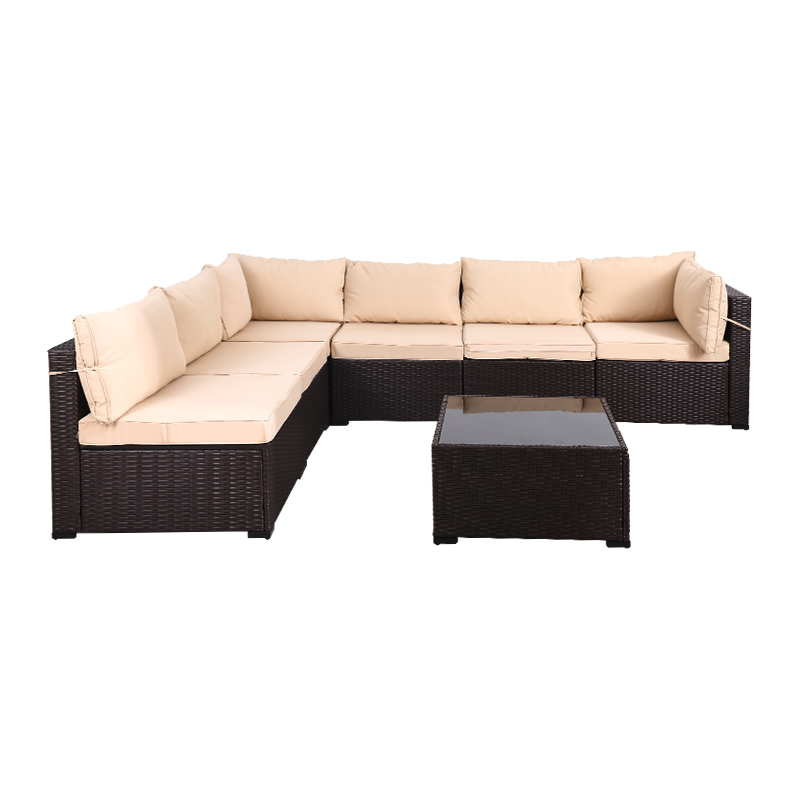
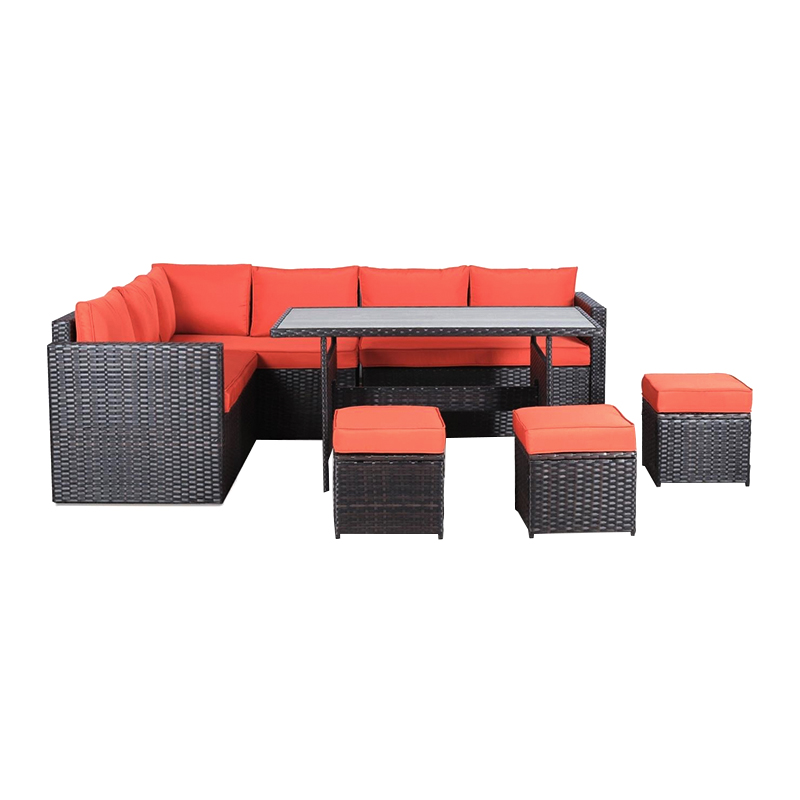
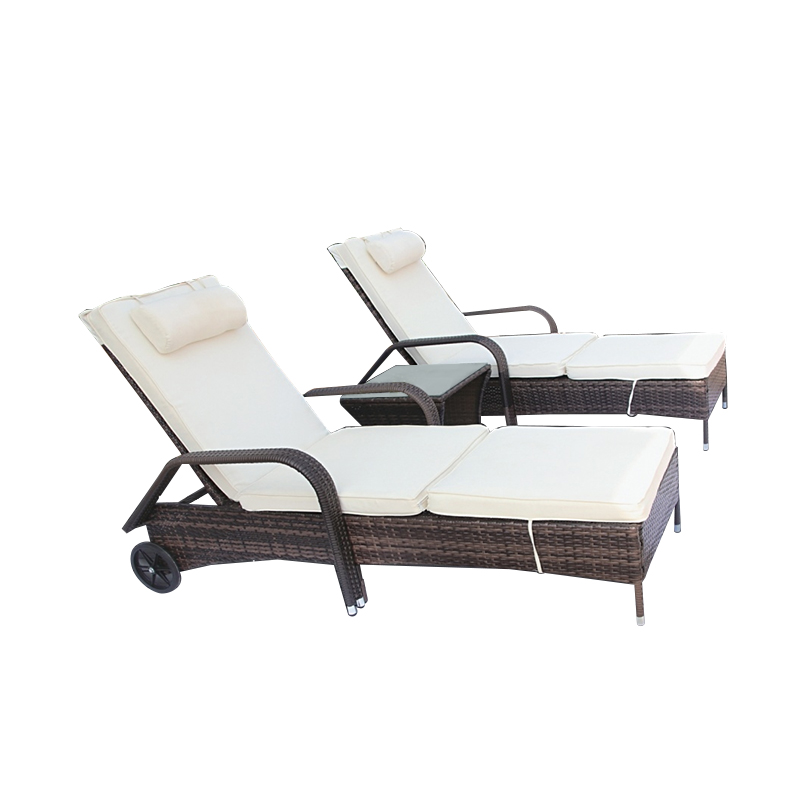
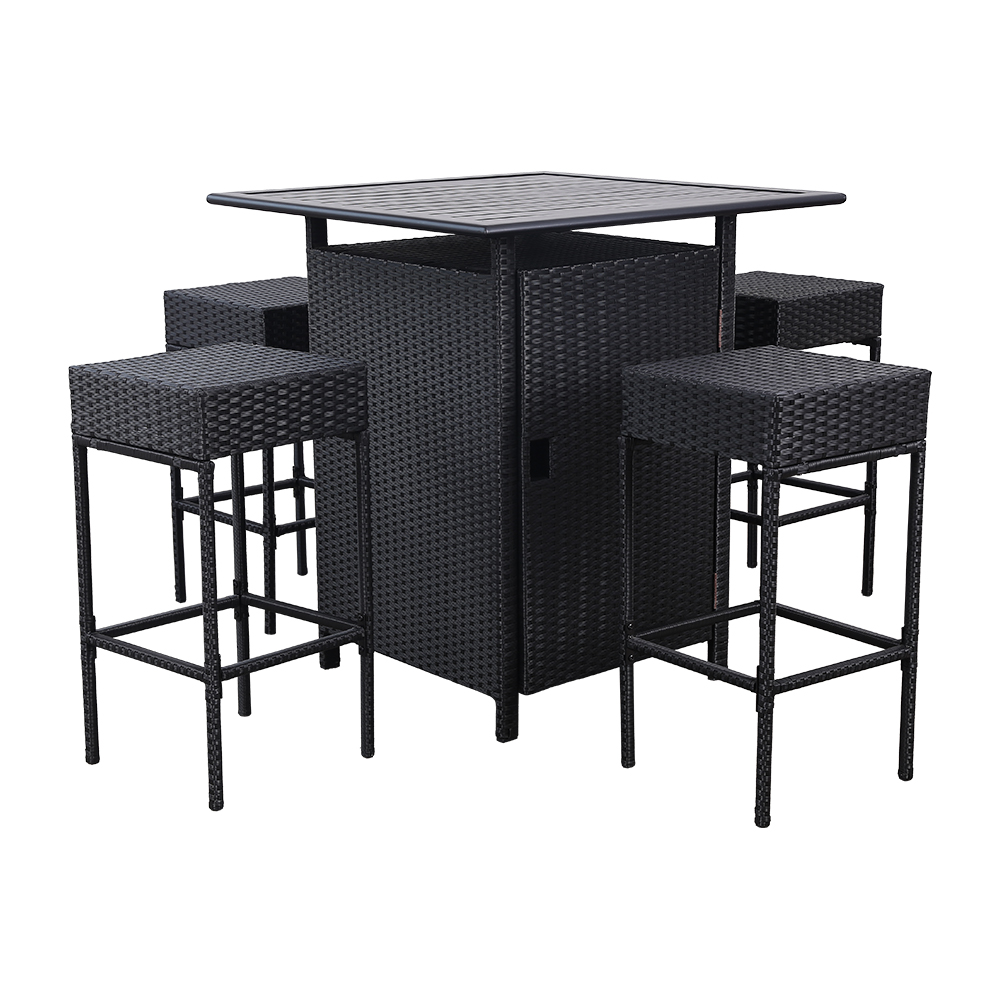
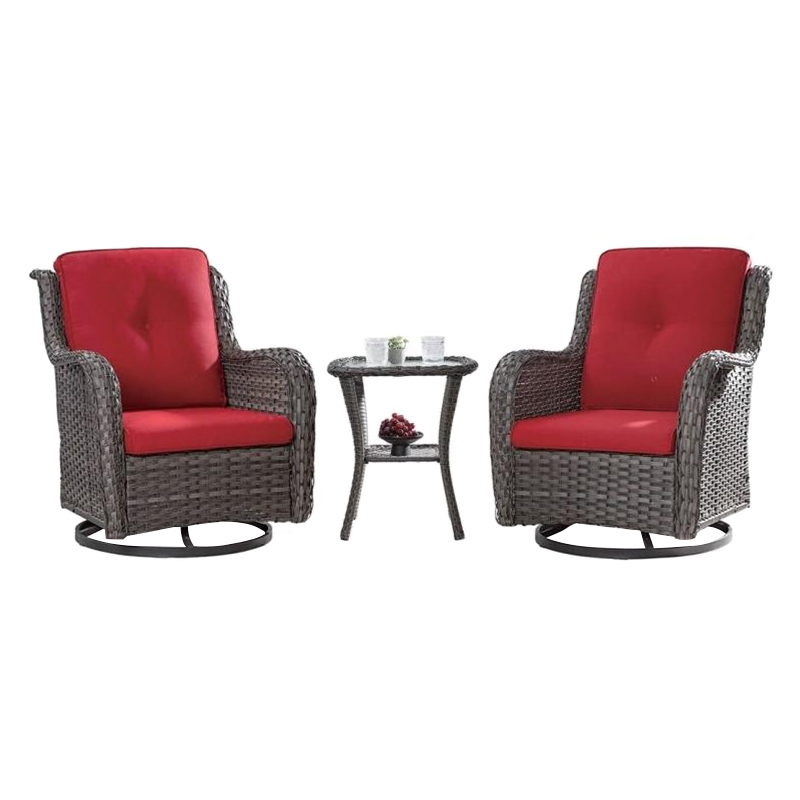
The primary driver for this sustained interest is a cultural shift towards valuing time spent in open air. People are investing more in their patios, balconies, gardens, and decks, viewing them as integral parts of the home for relaxation, dining, and social gatherings. Consequently, outdoor furniture is no longer an afterthought but a central element of home design. Consumers are looking for cohesive sets that reflect their personal style, with trends ranging from smallist, clean-lined aluminum frames to the timeless appeal of woven rattan or the rustic warmth of reclaimed wood.
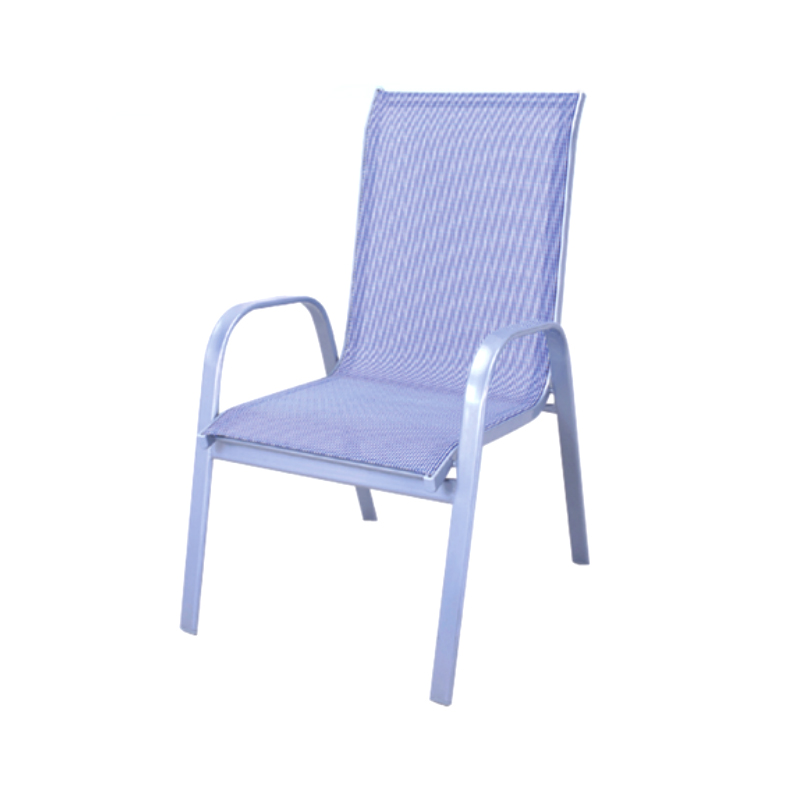
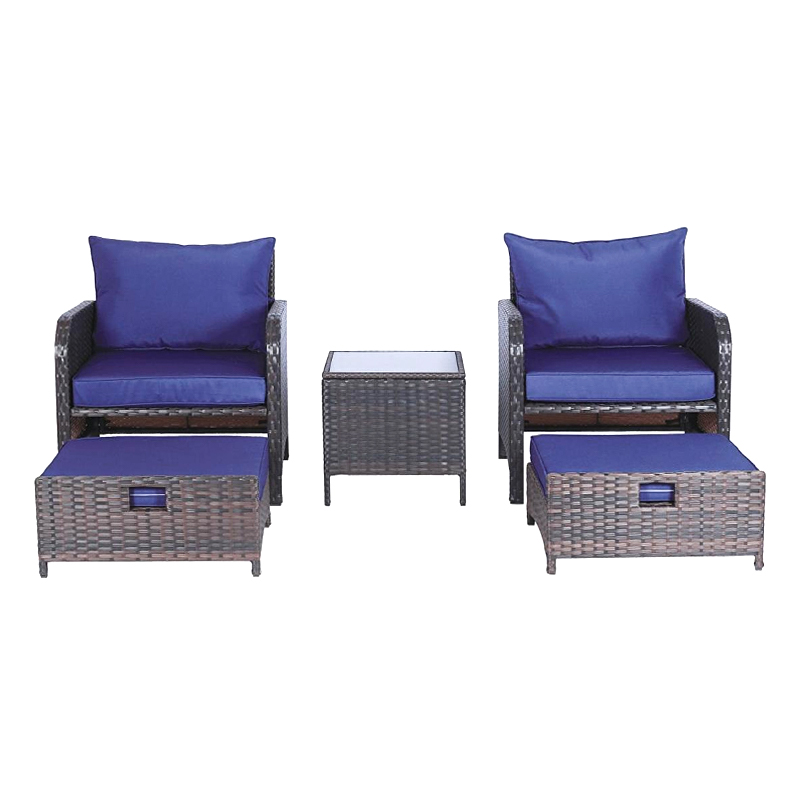
Material science has fundamentally transformed the market. Today's pilot outdoor furniture offerings prioritize longevity and ease of maintenance without sacrificing visual appeal. Powder-coated aluminum provides a lightweight yet sturdy frame resistant to corrosion. Synthetic wickers, made from polyethylene or resin, expertly mimic natural fibers while being immune to fading, moisture, and mildew. Similarly, fabrics have undergone a revolution; solution-dyed acrylics and polyester blends offer vibrant, UV-resistant colors and exceptional water repellency, allowing cushions and umbrellas to withstand diverse weather conditions for extended periods.
This focus on durability directly addresses a key consumer concern: the ability of outdoor furniture to endure seasonal changes. Manufacturers and designers are responding with pieces built to remain outside year-round, reducing the hassle of seasonal storage. This resilience is paired with an enhanced emphasis on comfort. Deep seating sets, plush modular sofas, and ergonomic dining chairs are becoming standard, encouraging longer periods of outdoor leisure. The integration of complementary elements like fire pit tables and stylish shade solutions further enhances the functionality and ambiance of these spaces.
However, the industry also faces growing scrutiny regarding its environmental footprint. In response, there is a move towards more sustainable practices. This includes utilizing recycled materials in production, such as plastics for synthetic wicker or aluminum, and designing products for easier repair and disassembly. The popularity of sustainably sourced teak and FSC-certified woods continues, though often at a higher price point. This shift indicates a consumer base that is not only looking for furniture that lasts but also considers the ecological impact of their purchases.
The market for outdoor furniture is also expanding in urban environments. With living spaces becoming more compact, foldable, stackable, and multi-functional designs are in demand. Balcony-sized bistro sets, vertical planters with integrated seating, and modular pieces that can be reconfigured for different occasions cater to apartment residents seeking a private outdoor retreat.
The trajectory for the outdoor furniture industry points towards a continued fusion of domestic comfort and exterior ruggedness. The line between indoor and outdoor furniture is blurring, with styles and comfort levels becoming nearly indistinguishable. As people continue to prioritize their connection to outdoor spaces, the demand for innovative, durable, and aesthetically pleasing outdoor furniture is expected to remain robust, shaping not just gardens and patios, but the very way we experience and inhabit our homes. The backyard, it seems, has officially become the next great living room.