

 英语
英语 西班牙语
西班牙语The global market for home and commercial furnishings is witnessing a significant expansion in the segment dedicated to outdoor furniture. This growth is driven by a sustained cultural shift towards embracing outdoor living spaces as true extensions of the indoor environment. Patios, decks, balconies, and gardens are increasingly being curated as additional rooms for relaxation, dining, and entertainment. Consequently, the demand for outdoor furniture that is not merely durable, but also comfortable, aesthetically sophisticated, and aligned with contemporary design trends, has risen substantially. This evolution reflects a deeper consumer desire to invest in their well-being and lifestyle by creating inviting and functional open-air retreats.
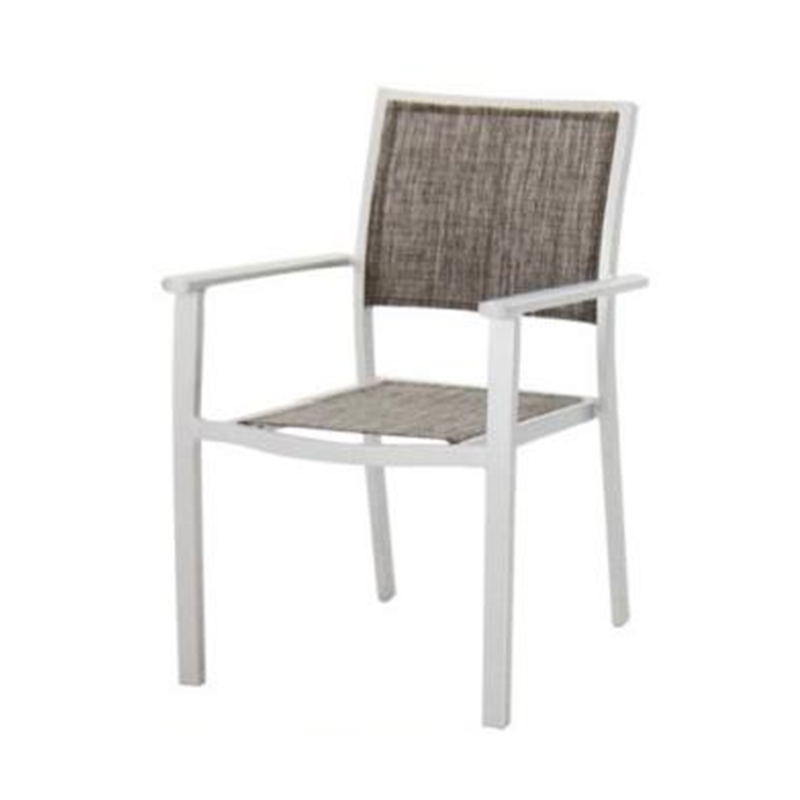
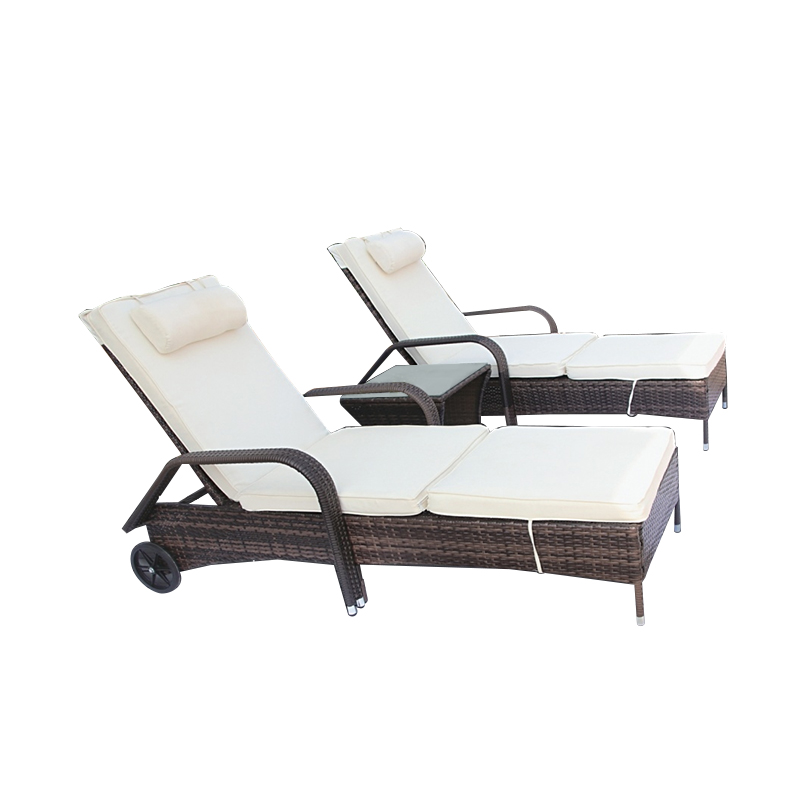
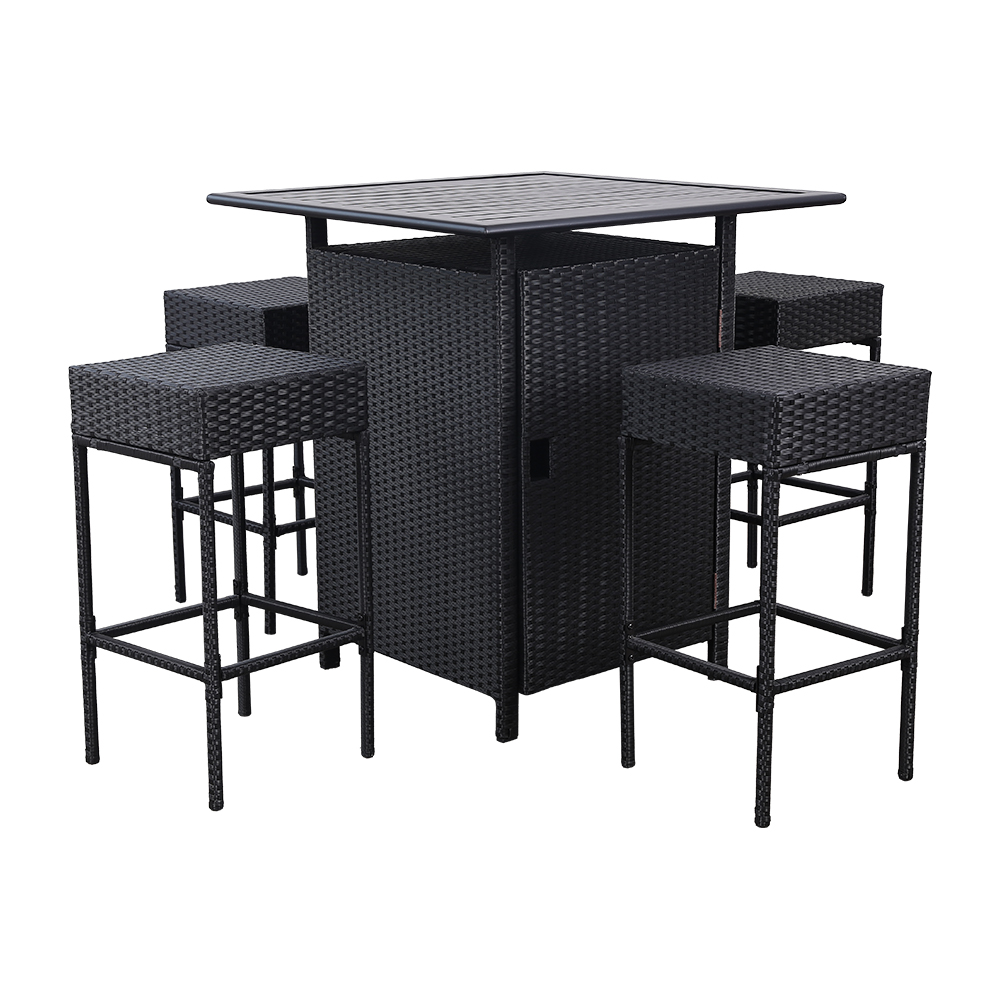
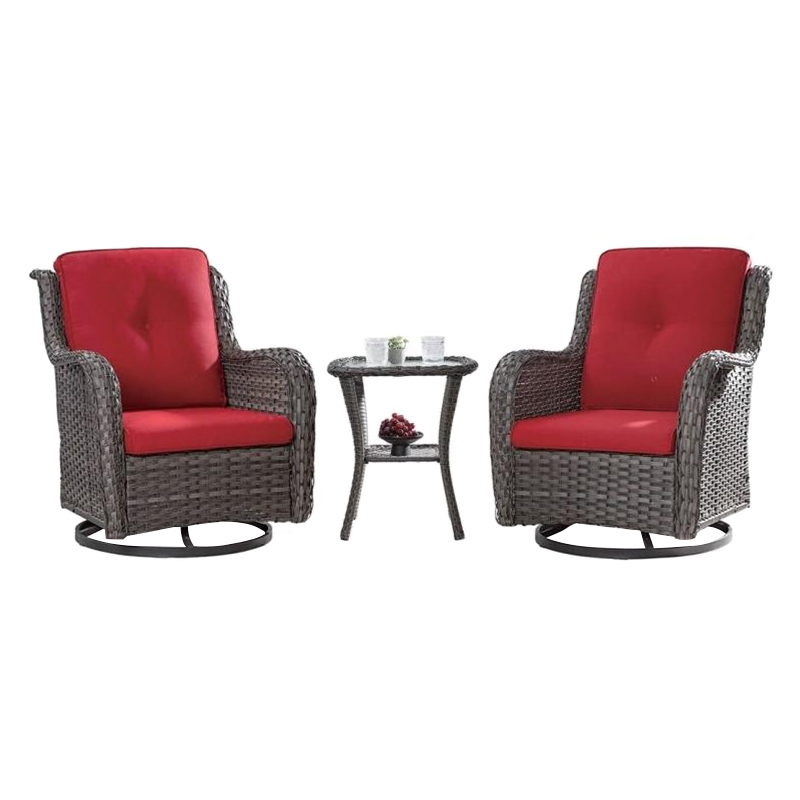
The defining characteristic of high-quality outdoor furniture is its engineered resilience against environmental stress. Unlike indoor furnishings, products in this category must be constructed to withstand constant exposure to sunlight, moisture, temperature fluctuations, and general wear from the elements. Material innovation is therefore the cornerstone of the industry. Traditional materials like treated teak and powder-coated wrought iron remain popular for their proven longevity. However, the market has been revolutionized by advanced synthetics and composites. Outdoor furniture made from high-density polyethylene (HDPE) wicker, extruded aluminum, and marine-grade polymer lumber offers exceptional resistance to fading, rust, and rotting, with small maintenance requirements. These materials are often designed to mimic the look of natural wood or intricate woven textures while providing predominant weatherproof performance.
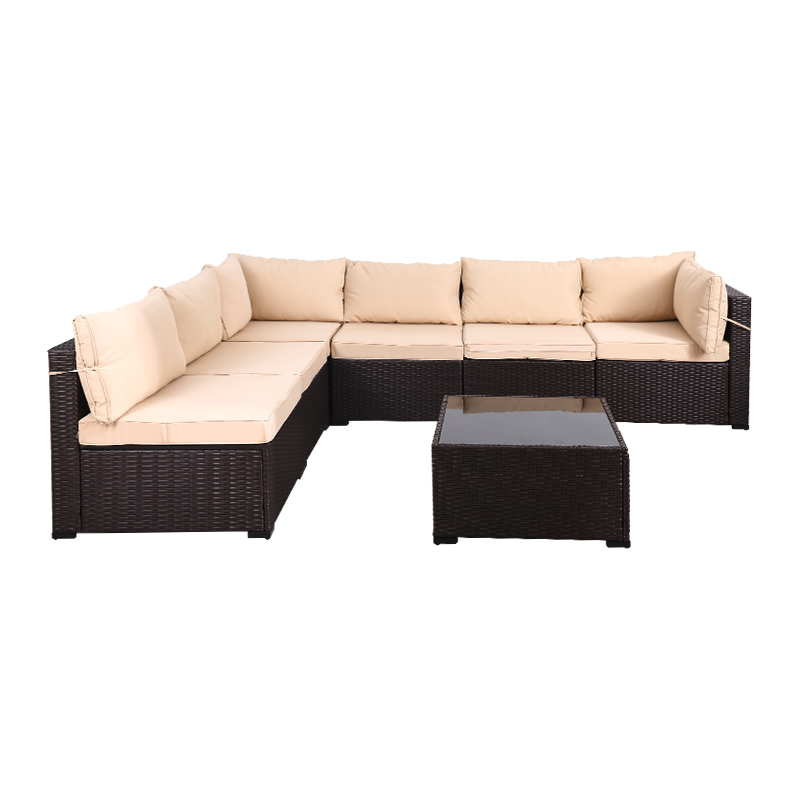
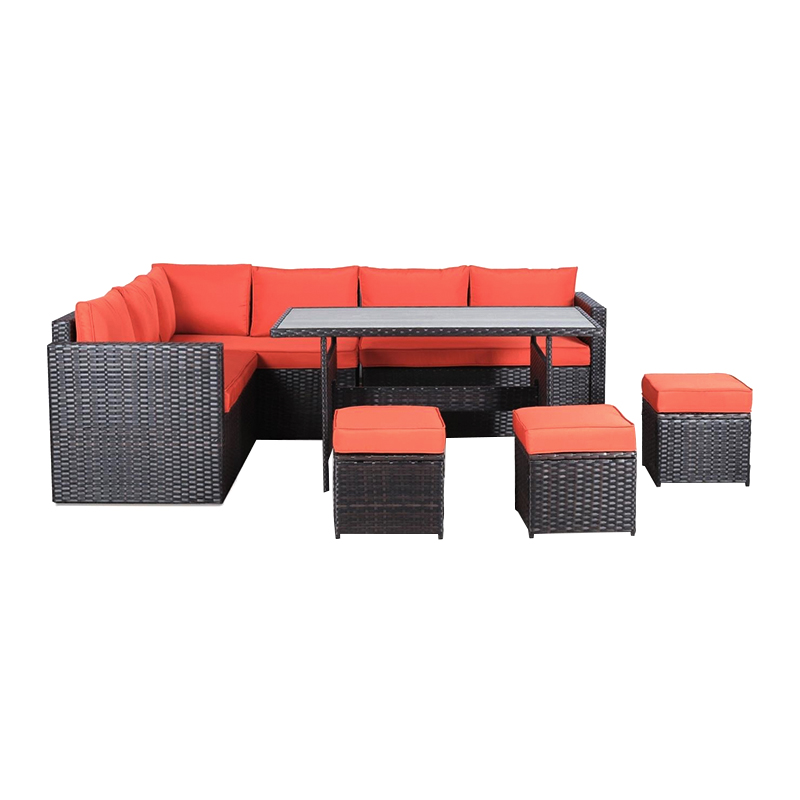
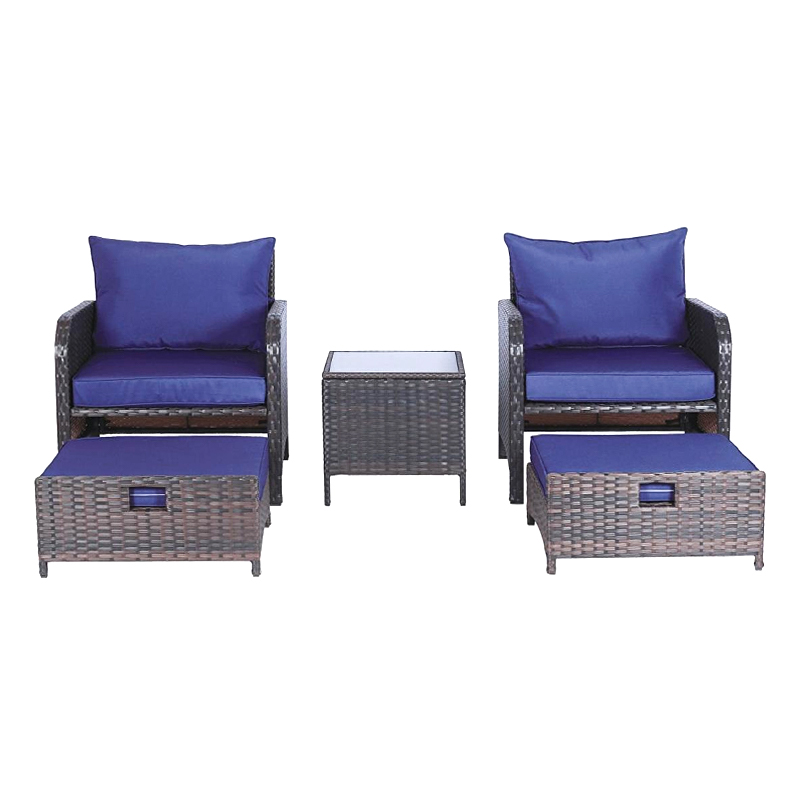
Beyond durability, contemporary trends in outdoor furniture design heavily emphasize comfort and cohesive style. The line between indoor and outdoor comfort has blurred, pilot to the proliferation of deep-seated sofas, plush sectionals, and generously cushioned lounge chairs designed expressly for outdoor furniture collections. Cushions are filled with quick-drying foam and upholstered in solution-dyed acrylic fabrics that are resistant to mildew, stains, and UV degradation. Aesthetically, the market caters to a wide range of tastes, from smallist, clean-lined aluminum sets to rustic farmhouse tables and bohemian-style woven loungers. The concept of creating defined "zones" with coordinated outdoor furniture—such as a dedicated dining area, a conversational lounge cluster, and a solitary reading nook—is a key trend, encouraging consumers to view their outdoor space as a multi-functional landscape.
Several interconnected market forces are shaping the future of outdoor furniture. The rise of urban living, particularly in apartments with compact balconies or terraces, has fueled demand for space-saving, modular, and foldable outdoor furniture designs. Sustainability is an increasingly important consideration, with growing interest in products made from recycled materials, responsibly sourced wood, and fully recyclable metals and plastics. Furthermore, the commercial sector—including hospitality venues, restaurants, and corporate campuses—represents a major driver, requiring outdoor furniture that combines commercial-grade durability with appealing design to enhance customer experience. The growth of e-commerce has also dramatically expanded consumer access to a wider variety of styles and brands, from direct-to-consumer models to premium designer collections.
Innovation in the outdoor furniture sector is likely to focus on enhanced smart features and even greater material sustainability. We may see the integration of subtle, weatherproof LED lighting into tables and seating, built-in wireless charging pads, and fabrics with improved thermal regulation properties. The use of bio-based composites and advanced recycling techniques will further reduce the environmental footprint of production. As climate considerations influence architecture and lifestyle, the role of the outdoor furniture in creating usable, enjoyable exterior living areas will only become more central.