

 英语
英语 西班牙语
西班牙语In an era increasingly drawn to sustainable materials and artisanal charm, rattan furniture is enjoying a prominent resurgence in interior and exterior design. This natural material, derived from a species of palm, is celebrated for its unique combination of durability, flexibility, and organic aesthetic. Its timeless appeal, once associated primarily with tropical or bohemian styles, is now being reinterpreted to suit a wide spectrum of contemporary decors, from smallist urban apartments to cozy suburban patios.
The fundamental appeal of rattan furniture begins with its core material properties. Rattan is a strong, solid-core vine, making it inherently more robust than many other plant-based materials like wicker, which is a weaving technique often using rattan as its primary component. This strength allows craftsmen to create lightweight yet sturdy frames for chairs, sofas, tables, and shelving units. Its natural flexibility is another key asset, enabling intricate weaves and elegant curved shapes that are difficult to achieve with rigid materials like wood or metal. The resulting pieces of rattan furniture offer a sense of airy openness and texture that can make a space feel both relaxed and inviting.
Sustainability is a significant driver behind the renewed popularity of rattan furniture. As a rapidly renewable resource, rattan vines can be harvested with relative care for forest ecosystems, especially when sourced responsibly. This positions rattan furniture as an appealing choice for environmentally conscious consumers seeking alternatives to plastics or non-renewable materials. Furthermore, high-quality rattan furniture, when properly cared for, boasts impressive longevity, reducing the cycle of consumption and waste associated with more disposable home furnishings.
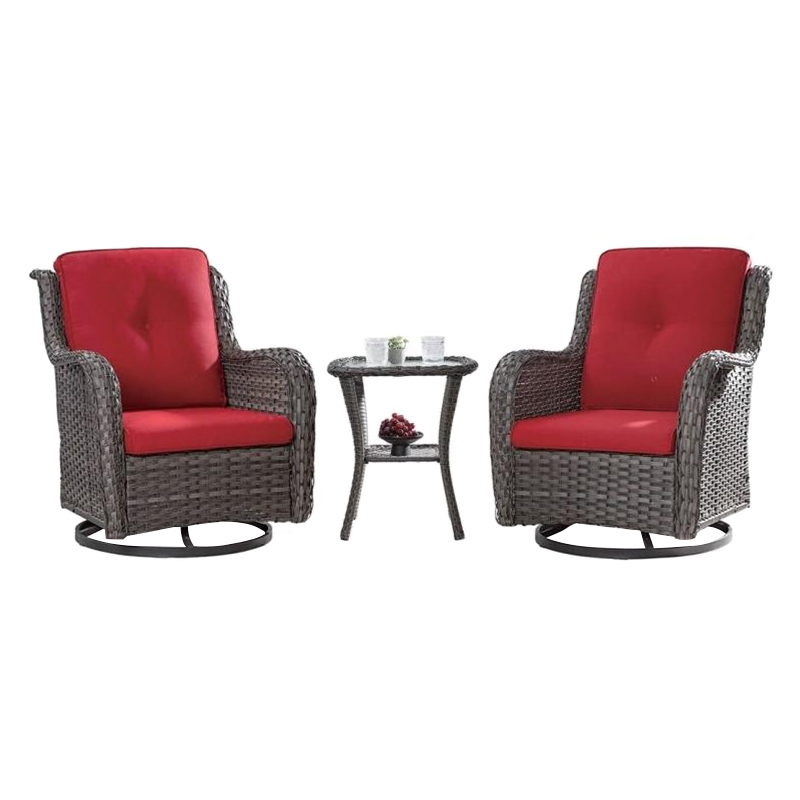
Modern design trends have broadened the application of rattan furniture far beyond its traditional settings. While it remains a quintessential choice for sunrooms, conservatories, and covered outdoor areas, designers are now seamlessly integrating rattan furniture into living rooms, bedrooms, and dining spaces. The key to this versatility lies in finish and pairing. Natural, light-toned rattan complements Scandinavian and Japandi styles, adding warmth and texture. When stained in darker finishes or combined with plush, neutral-colored cushions and linens, rattan furniture can adopt a more sophisticated, global-inspired look that fits comfortably in modern eclectic interiors.
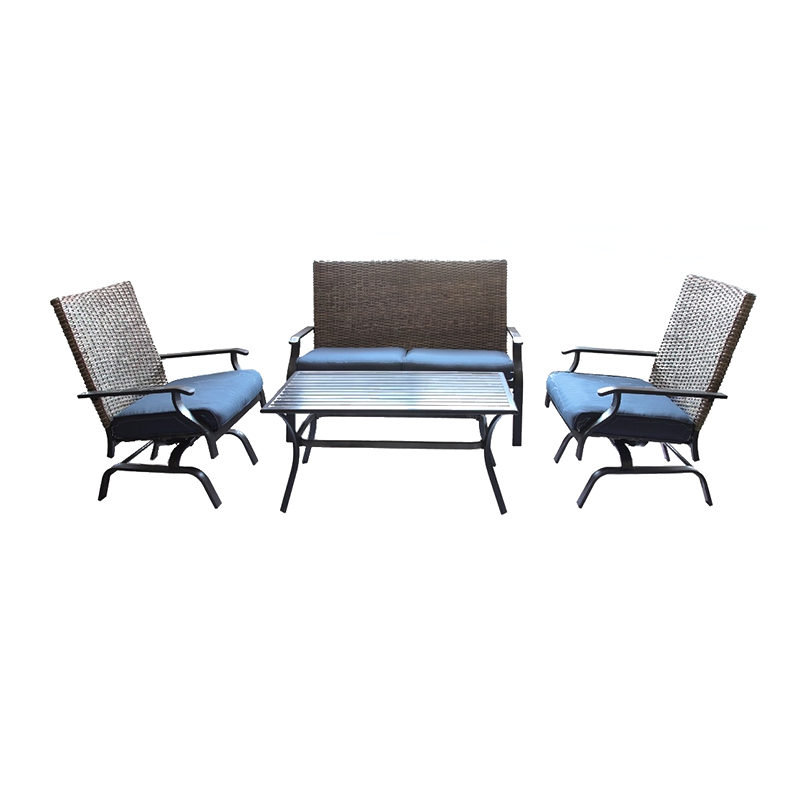
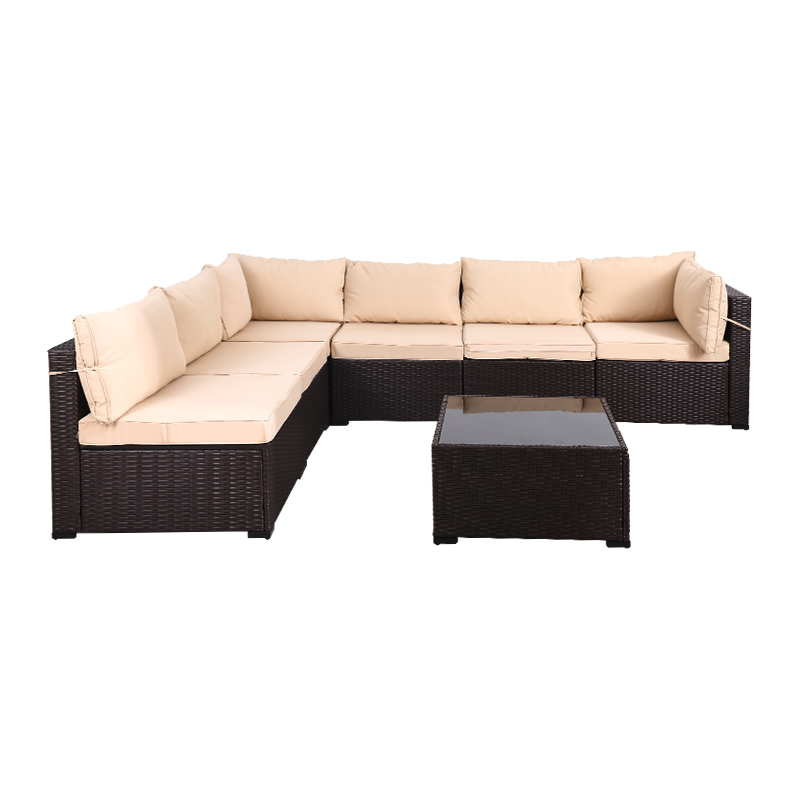
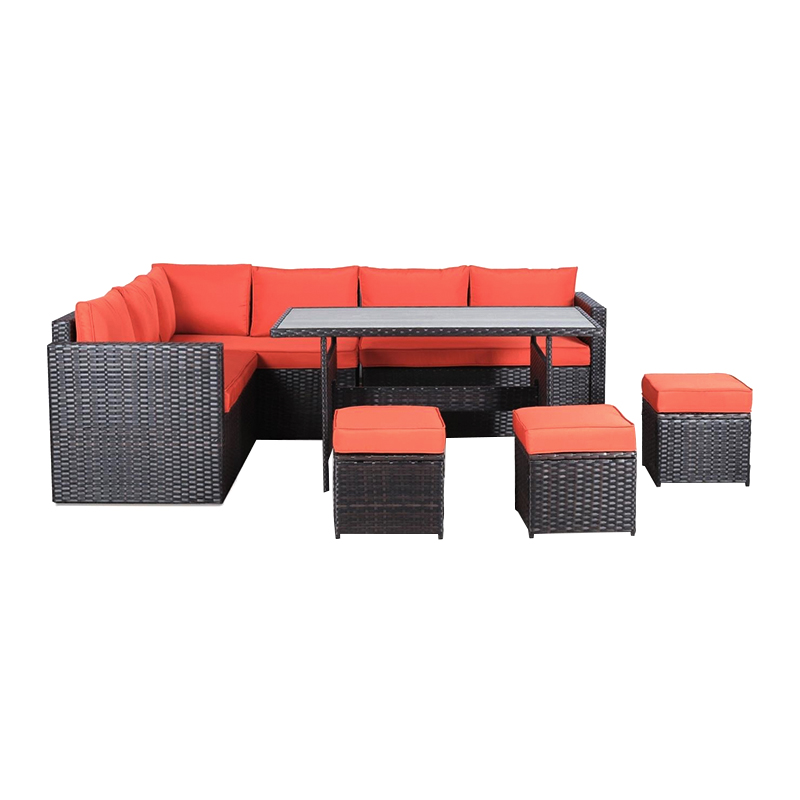
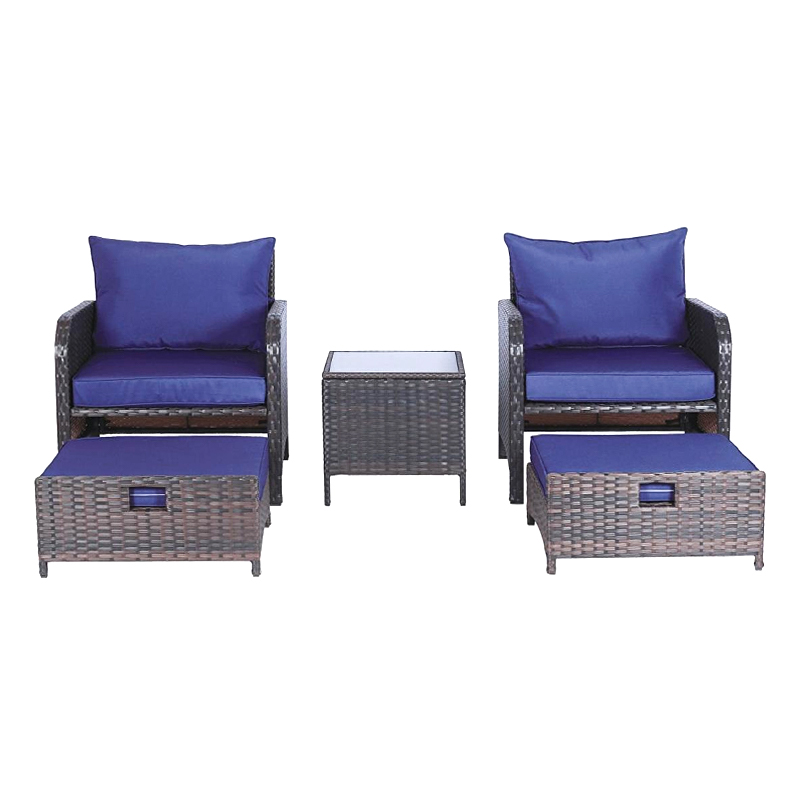
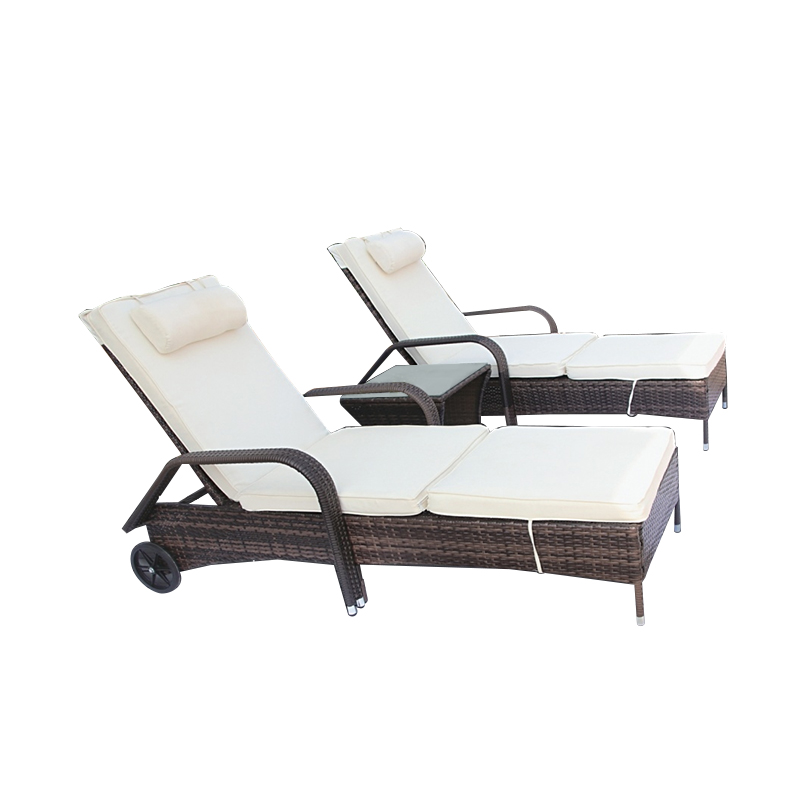
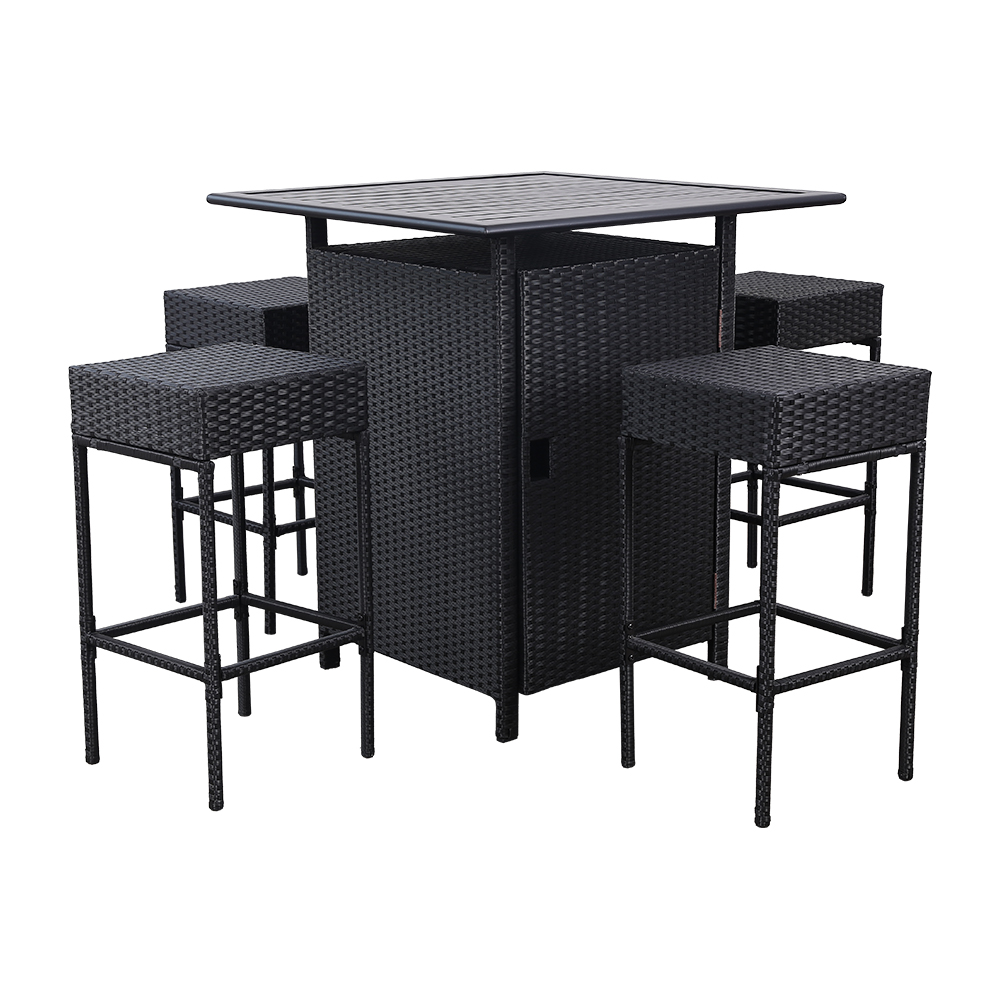
The manufacturing and care of rattan furniture have also seen thoughtful evolution. Traditional hand-weaving techniques are still valued for their craftsmanship, ensuring each piece has unique character. For broader market accessibility, well-made machine-woven pieces maintain consistent quality. To enhance durability, especially for outdoor use, many manufacturers now apply protective sealants or use synthetic rattan—polyethylene fibers designed to mimic natural rattan—which offers exceptional resistance to moisture, UV rays, and temperature fluctuations. This synthetic rattan furniture provides the desired aesthetic with small maintenance, ideal for fully exposed patios and poolside settings.
Rattan furniture offers more than just a nostalgic nod to past styles. It represents a harmonious balance between nature and craftsmanship, sustainability and style, lightness and strength. Its ability to bridge indoor and outdoor living, to feel both classic and current, secures its lasting relevance. As consumers continue to seek out furnishings that tell a story and connect them to the natural world, rattan furniture stands ready to furnish homes with enduring grace, comfort, and character, proving that some of the beautiful design solutions are those provided by nature itself.