

 英语
英语 西班牙语
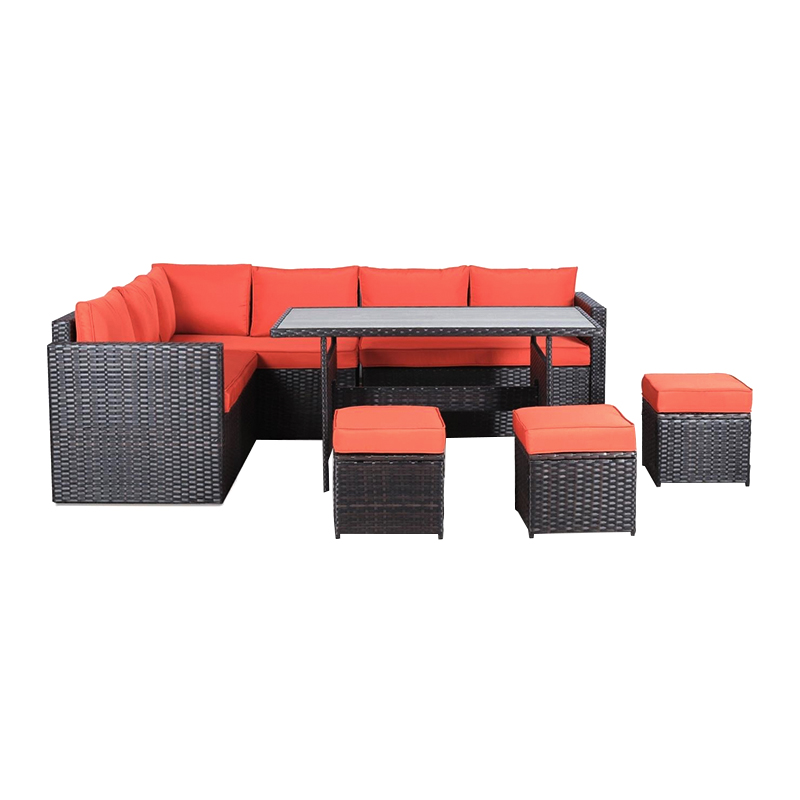
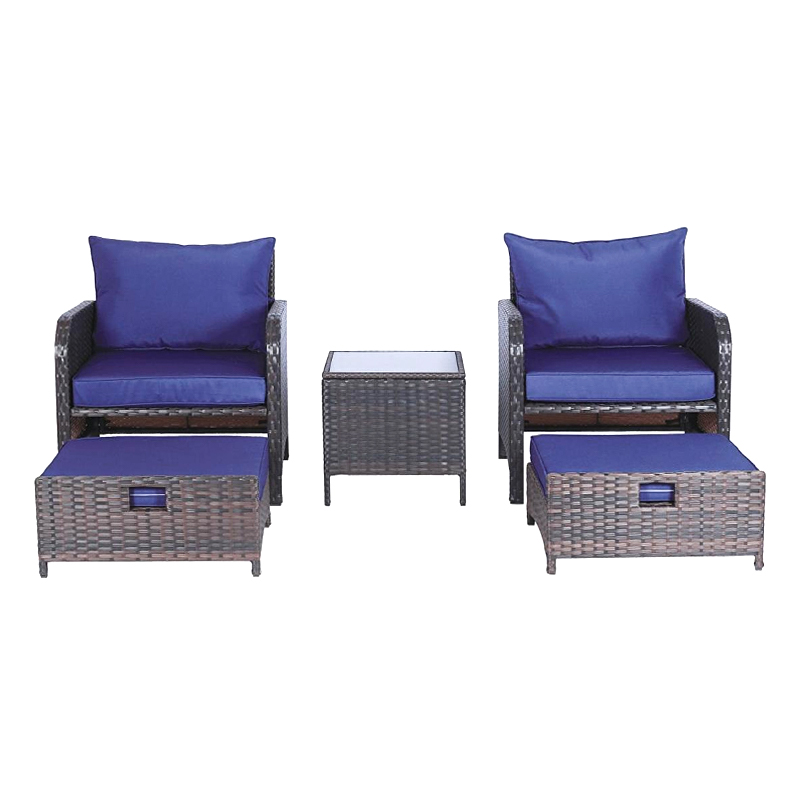
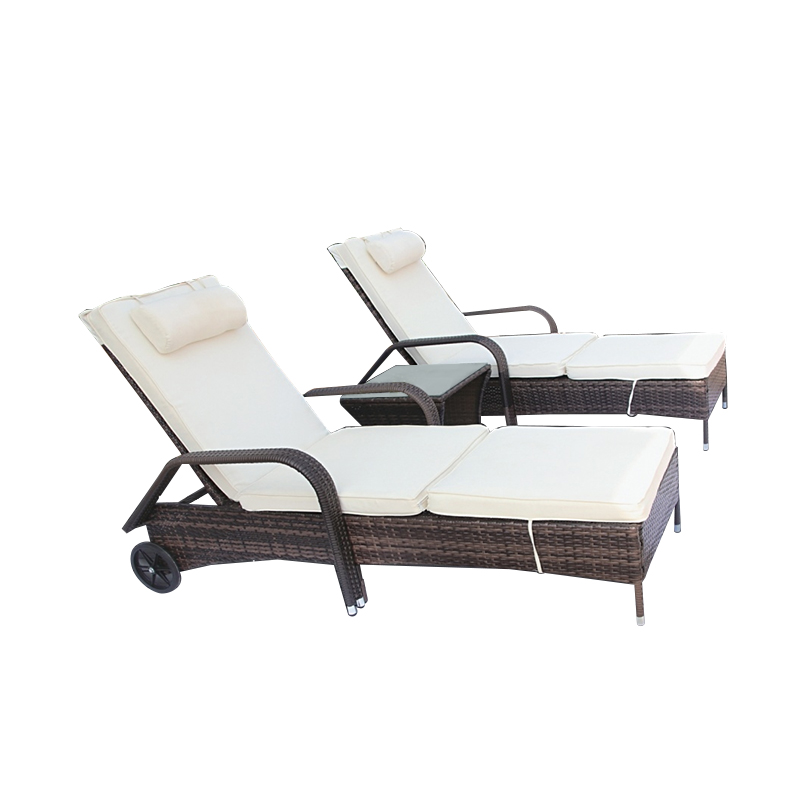
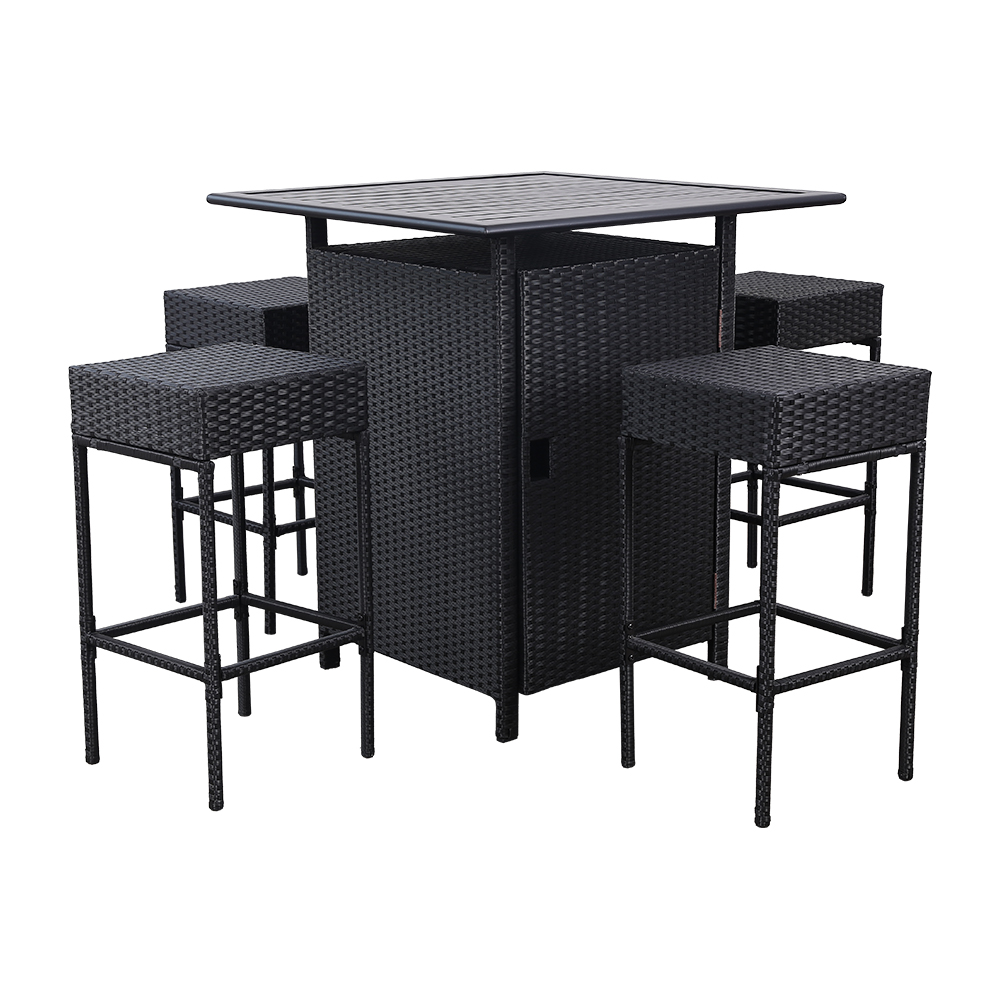
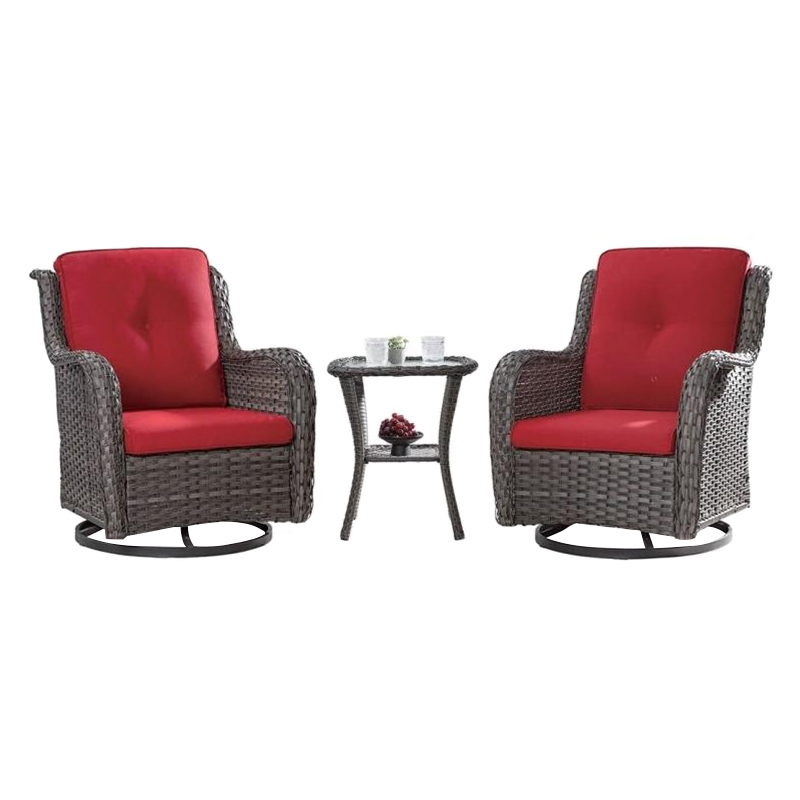
西班牙语Rattan furniture does not always age in the same way when installed in outdoor environments. In many real projects, buyers often discover that pieces from the same rattan furniture set begin to show different visual conditions after several months of use. Some remain close to their original tone, while others slowly shift in brightness or texture depending on where they are placed.
This kind of difference is frequently observed in outdoor furniture installations across gardens, patios, and hospitality spaces, where environmental exposure is never completely uniform.
Small Position Differences Create Long-Term Visual Gaps
Outdoor placement often looks balanced at the beginning, but real conditions are not equal.
A chair closer to open sunlight receives stronger exposure throughout the day.
Another chair placed slightly under shade experiences reduced light intensity.
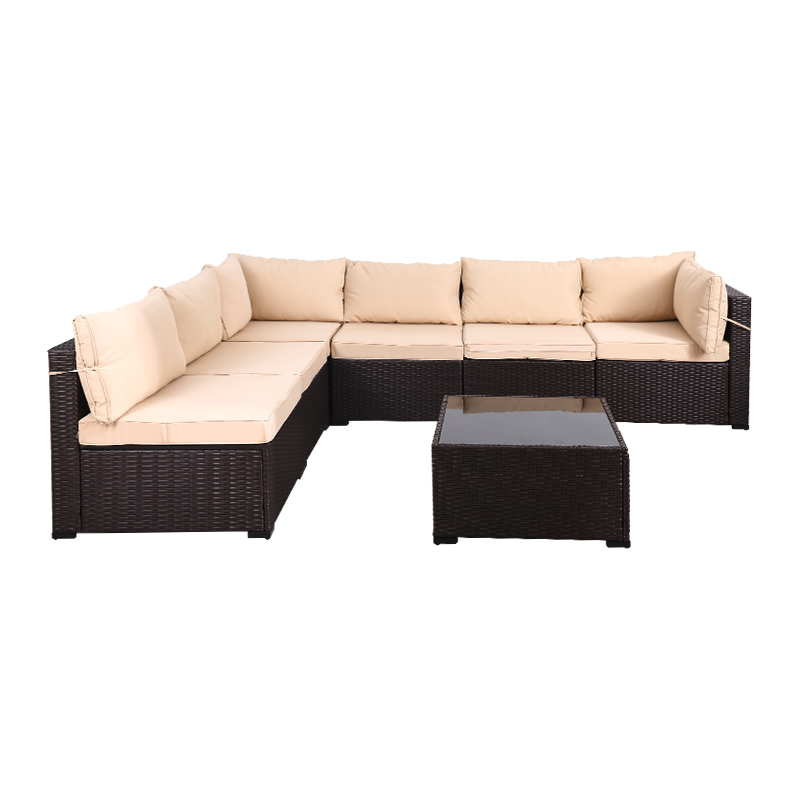
At first, both items in the rattan furniture set appear identical. After time passes, differences begin to appear gradually on the surface.
These changes are usually noticed during cleaning, rearranging, or seasonal inspection rather than immediately after installation.
Usage Patterns Are Rarely Balanced
In real outdoor environments, furniture usage is naturally uneven.
Some seating positions are always selected first.
Others remain unused for longer periods.
This leads to different wear levels across the same outdoor furniture set.
Typical usage distribution in real spaces:
- seats near entrances receive frequent use
- central seating zones experience continuous movement
- corner seats remain stable for long periods
- decorative pieces have minimal physical contact
Over time, these differences influence how rattan furniture develops surface variation, even when the materials and structure are identical.
Environmental Exposure Changes From One Point To Another
Outdoor environments do not behave consistently across a space.
Sunlight direction shifts throughout the day.
Wind pressure is stronger on open sides.
Rainwater collects differently depending on layout and drainage.
Humidity levels vary between shaded and exposed zones.
Because of these natural variations, rattan furniture does not experience uniform environmental pressure even within a single installation area.
Maintenance Frequency Is Not Always Even
Cleaning routines in real use are not identical across every piece of furniture.
Visible seating areas are usually cleaned more often.
Less accessible positions may be maintained less frequently.
In commercial environments, high-traffic zones receive more attention compared to secondary seating areas.
A simple comparison is shown below:
|
Condition |
High-Use Area |
Low-Use Area |
|
Cleaning frequency |
High |
Low |
|
Sun exposure |
Strong |
Moderate |
|
Physical contact |
Frequent |
Rare |
|
Surface change speed |
Faster |
Slower |
This difference gradually becomes visible on outdoor furniture, even when production quality remains consistent.
Furniture Movement Changes Exposure Conditions
In many real projects, outdoor furniture is not permanently fixed.
Layouts are adjusted for seasonal changes or customer flow.
Event setups often require rearranging seating positions.
As a result, a single piece of rattan furniture may experience multiple exposure environments during its lifetime.
A chair may start the season in full sunlight, then later be moved into a shaded corner. These shifts create additional variation in surface appearance.
Combination Of Factors Shapes Final Appearance
No single factor is responsible for how furniture ages outdoors.
Instead, it is the combination of multiple conditions:
- sunlight intensity
- usage frequency
- cleaning habits
- position changes
- weather variation
When these factors act differently on each piece, outdoor furniture naturally develops uneven visual aging across the same set.
Real Installation Environments Are Always Different
Every outdoor project has its own environmental conditions.
No two gardens, terraces, or hotel spaces share exactly the same light, wind, or usage patterns.
Because of this, rattan furniture always reflects its specific environment over time rather than maintaining identical appearance across all pieces.
This is also why long-term evaluation of outdoor furniture often focuses on real installation behavior instead of expecting perfectly uniform aging results across every item in a set.